WINE REGION > McLaren Vale SA Guide
WHERE TO VISIT >The region's best cellar doors
VISIT > CHALK HILL WINES, McLaren Vale SA
VISIT > PAXTON WINERY, McLaren Vale SA
VISIT > D’Arenberg, McLaren Vale SA
VISIT > PRIMO ESTATE, McLaren Vale SA
VISIT > BATTLE OF BOSWORTH, McLaren Vale SA
VISIT > KAY BROTHERS, McLaren Vale South Australia
McLaren Vale >
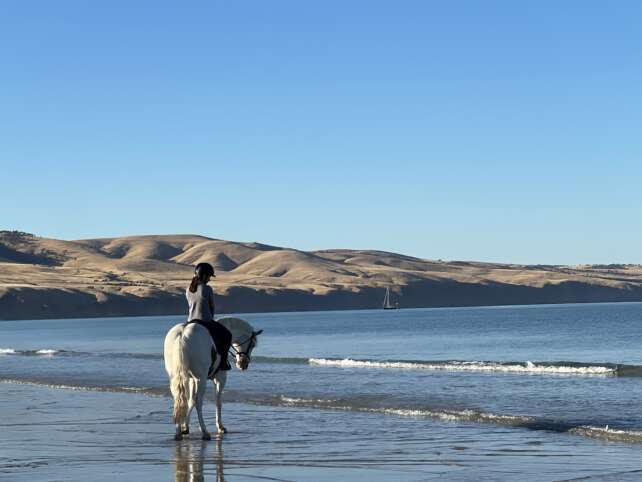
South Australia’s McLaren Vale unfolds just 45 minutes south of Adelaide, where vineyards roll gently towards the Gulf St Vincent and sea breezes temper the warmth of the Vale’s sunlit days. While now synonymous with expressive Shiraz, Mediterranean varietals and a progressive winemaking culture, the region’s story begins long before vines took hold. In the mid-19th century, McLaren Vale was shaped by slate mining, its rugged geology yielding building materials that would underpin South Australia’s early development. As the industry waned, the landscape shifted again—this time to almond orchards, which flourished in the Mediterranean climate and remain a quiet but enduring thread in the region’s agricultural identity.
Today, that same terrain—undulating, coastal, and richly textured—has become a defining feature of both its wines and its broader cultural appeal. It also serves as a dramatic stage for the Santos Tour Down Under, the Southern Hemisphere’s premier UCI WorldTour cycling event. Each January, the peloton sweeps through McLaren Vale’s vine-lined roads and coastal climbs, drawing global attention to the region’s scenic beauty and reinforcing its reputation as a destination where lifestyle, sport and landscape intersect.
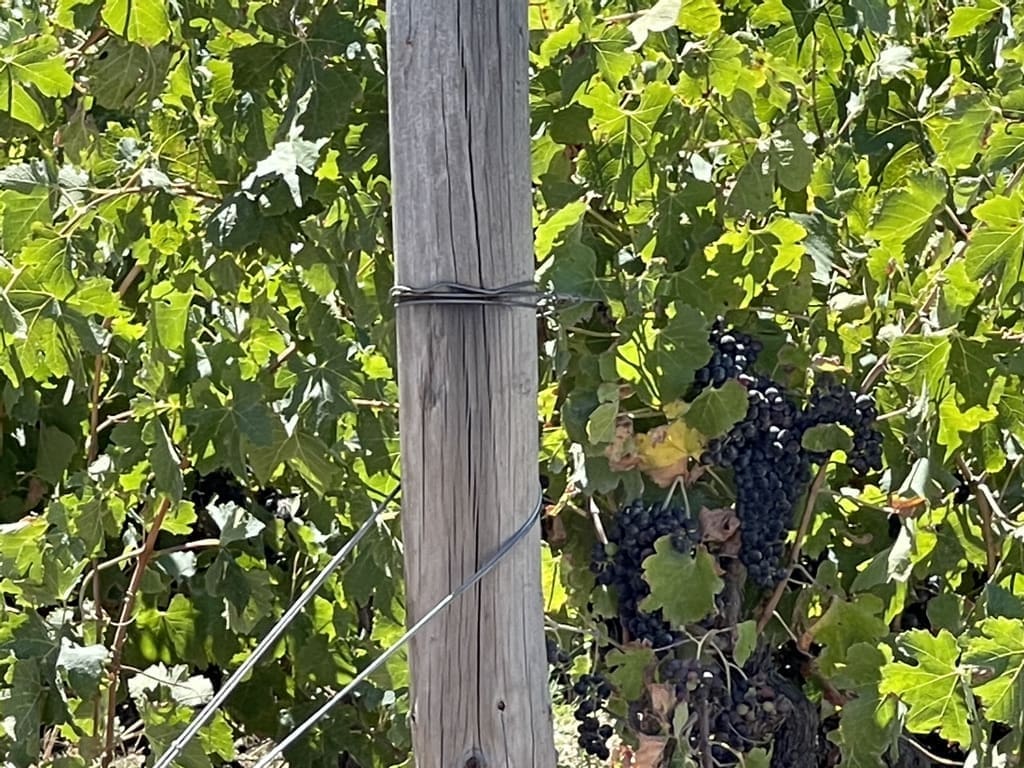
At the heart of the Vale’s community spirit is the McLaren Vale Bushing Festival, an annual celebration that speaks to both tradition and conviviality. Held during the summer harvest period, the festival’s centrepiece is the ceremonial “blessing of the vines,” a nod to European winemaking heritage where growers gather to mark the vintage ahead. What follows is a weekend of long lunches, open-cellar tastings and immersive food and wine experiences, where visitors can engage directly with winemakers, chefs and growers. It is less a festival in the conventional sense and more a curated expression of place—grounded in agriculture, shaped by history, and elevated by the region’s enduring commitment to craft. >