Share This Article
Charles Melton is one of the Barossa’s most essential cellar doors: intimate, quietly confident and focused on serious, long-lived reds that reward attention as much as they reward time in the cellar. This is a visit for people who care about old vines, thoughtful blends and wines that have shaped the region’s modern identity.
VISIT >
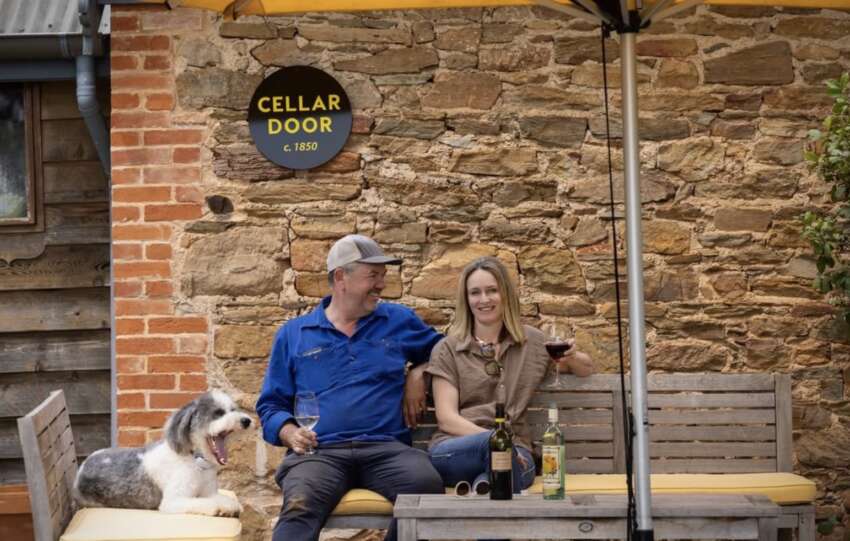
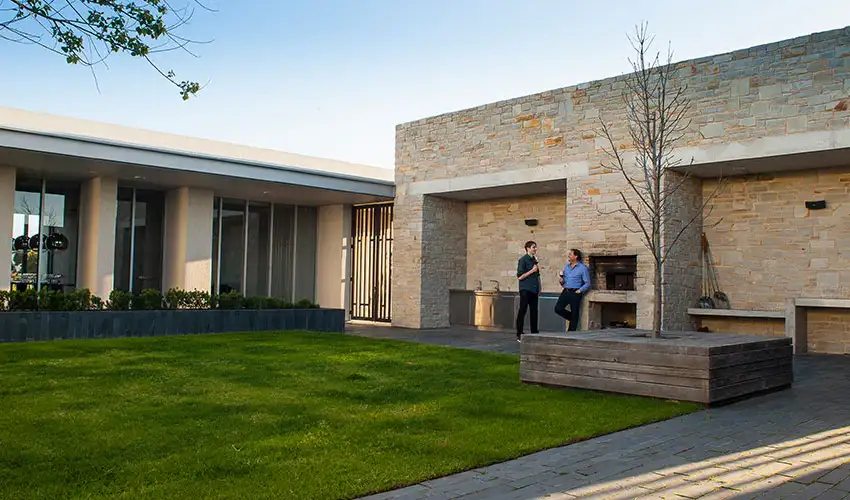
Tucked into a bend of Krondorf Road opposite Rockford (famed for its Basket Press Shiraz), Charles Melton feels more like a working family winery than a polished showpiece, and that is precisely its charm. The cellar door is relaxed and unhurried, with tastings that tend to lean into conversation about vineyards, vintages and the evolution of Barossa Grenache and Shiraz rather than scripted flights.
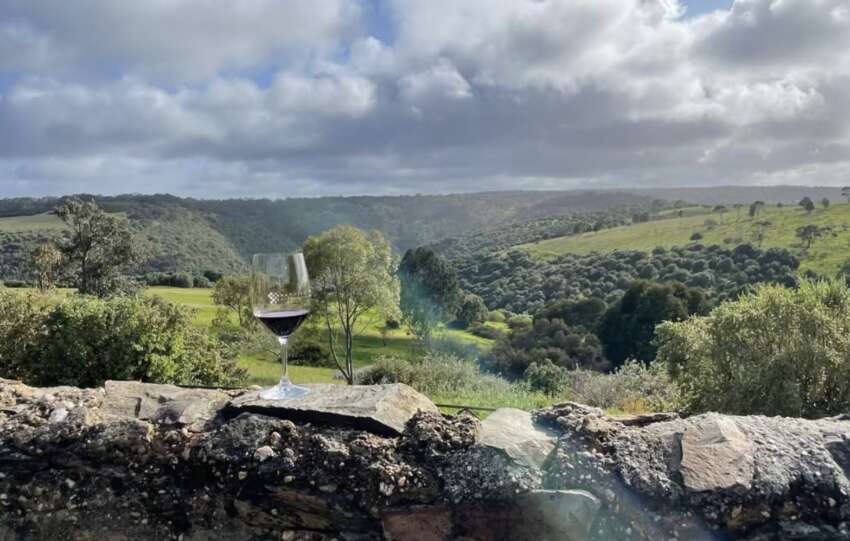
The dogs come and patiently wait for people to throw sticks, sitting on the verandah and watching dragon flies over the vines feels iconically South Australian.
On quieter weekdays you are likely to find yourself talking directly with a Melton family member or long-time staffer, which adds a personal layer to understanding why these wines matter to the Barossa story. The mood is country-warm rather than glossy, but the line-up in your glass—especially if it includes current and back-vintage Nine Popes— reminds you this has long been one of the region’s benchmark red-wine addresses.
VARIETALS >
Grenache, Shiraz and Mataro sit at the core of the estate’s identity, with old-vine Grenache the quiet hero behind many of the top wines. These varieties appear both in classic Barossa GSM blends and as varietal or near-varietal bottlings that show how site and handling shift the register from plush to perfumed to firmly structured.
Alongside the Rhône family, Cabernet Sauvignon, Cabernet–Shiraz blends and a small but distinctive Vin Santo–style dessert wine speak to a broader curiosity that never strays far from a Barossa accent. Rosé is treated seriously here too: Rose of Virginia is a deeply coloured, full-bodied style that has become a reference point for Barossa rosé with real concentration rather than poolside simplicity.
REGION >
Krondorf sits just outside Tanunda on the Barossa floor, surrounded by a patchwork of old bush vines and established mixed plantings that give the area its reputation for powerful yet nuanced reds. While many growers in the 1980s were paid to pull out old Grenache and Shiraz, Charlie Melton worked in the opposite direction—convincing growers to keep these vineyards and, later, taking custodianship of parcels now 80 to 100 years old.
Today the estate works a mix of dry-grown, largely chemical-free vineyards in Tanunda and Lyndoch, supplemented by long-term grower relationships dating back decades. The result in the glass is a suite of wines that feel distinctly Barossa—ripe and generous—but with a line of freshness and spice that reflects both altitude variations and a restrained hand in the winery.

RANGE OF WINES >
The flagship is Nine Popes, a Grenache–Shiraz–Mataro blend that helped kick-start the modern Australian affection for serious GSM and is still regarded as one of the country’s benchmark Rhône-style reds. It typically draws on dry-grown, old-vine Grenache for perfume and structure, layered with Shiraz richness and Mataro spice, and is built to evolve gracefully over a decade or more in bottle.
Sitting alongside Nine Popes at the top of the tree are single-site and premium Shiraz bottlings such as Grains of Paradise (a full-bodied, traditional Barossa Shiraz from floor vineyards) and Voices of Angels (from higher, cooler sites straddling Eden and the Adelaide Hills, with more lift and aromatic detail). These wines show two quite different faces of Barossa Shiraz—one plush and regional, one more linear and perfumed—with both structured for long-term cellaring.
Further down the range, the Kirche Cabernet–Shiraz blend and Barossa Cabernet Sauvignon highlight another classic Barossa combination, with fruit drawn from the historic Kirche vineyard that surrounds an old Lutheran church. They offer a slightly more savoury, cassis-and-cedar line that will appeal to Cabernet drinkers who still want Barossa generosity.
At the more approachable end, Rose of Virginia is effectively the estate’s calling-card rosé: vibrant cerise in colour, full-bodied yet crisp, with Turkish delight, pepper and spice in both nose and palate. Alongside it sit core Barossa reds that showcase Grenache, Shiraz and Mataro in more everyday guises, plus a sparkling red and the Sotto di Ferro Vin Santo–style dessert wine for those who like to finish sweet.
When friends ask for advice on where to visit in the Barossa, Charles Melton is always top of my list. While it might not have the fame of some of the bigger names it delivers every single time and it is truly authentic.
ACCOLADES >
From its first vintage in 1984, Charles Melton has attracted both local and international attention for its red wines, with Nine Popes frequently singled out as one of the country’s leading GSMs. James Halliday has long championed the winery—describing Melton as one of the Barossa’s great characters and the wines as among the most eagerly sought in Australia.
Critical scores for Nine Popes routinely sit in the mid- to high-90s, and mature bottles often generate as much excitement at the table as top Rhône benchmarks. Within the region, Charlie Melton is widely acknowledged as one of the figures who helped preserve Barossa’s old-vine heritage and reposition Grenache from a fortified workhorse to a cornerstone of fine table wine.
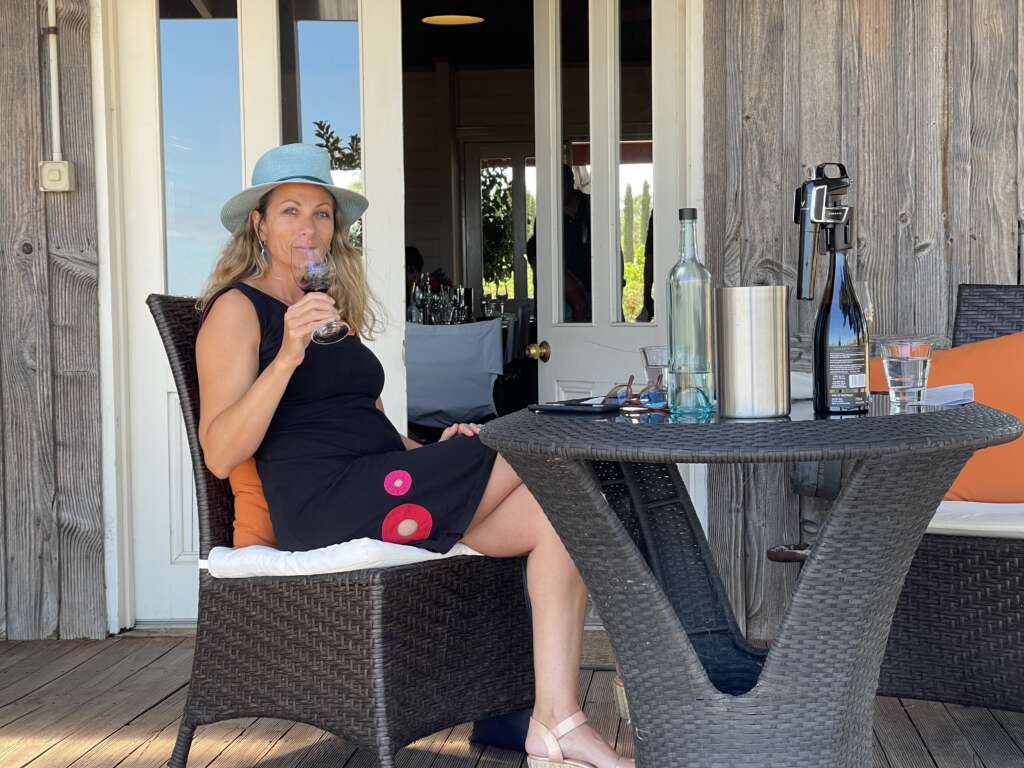
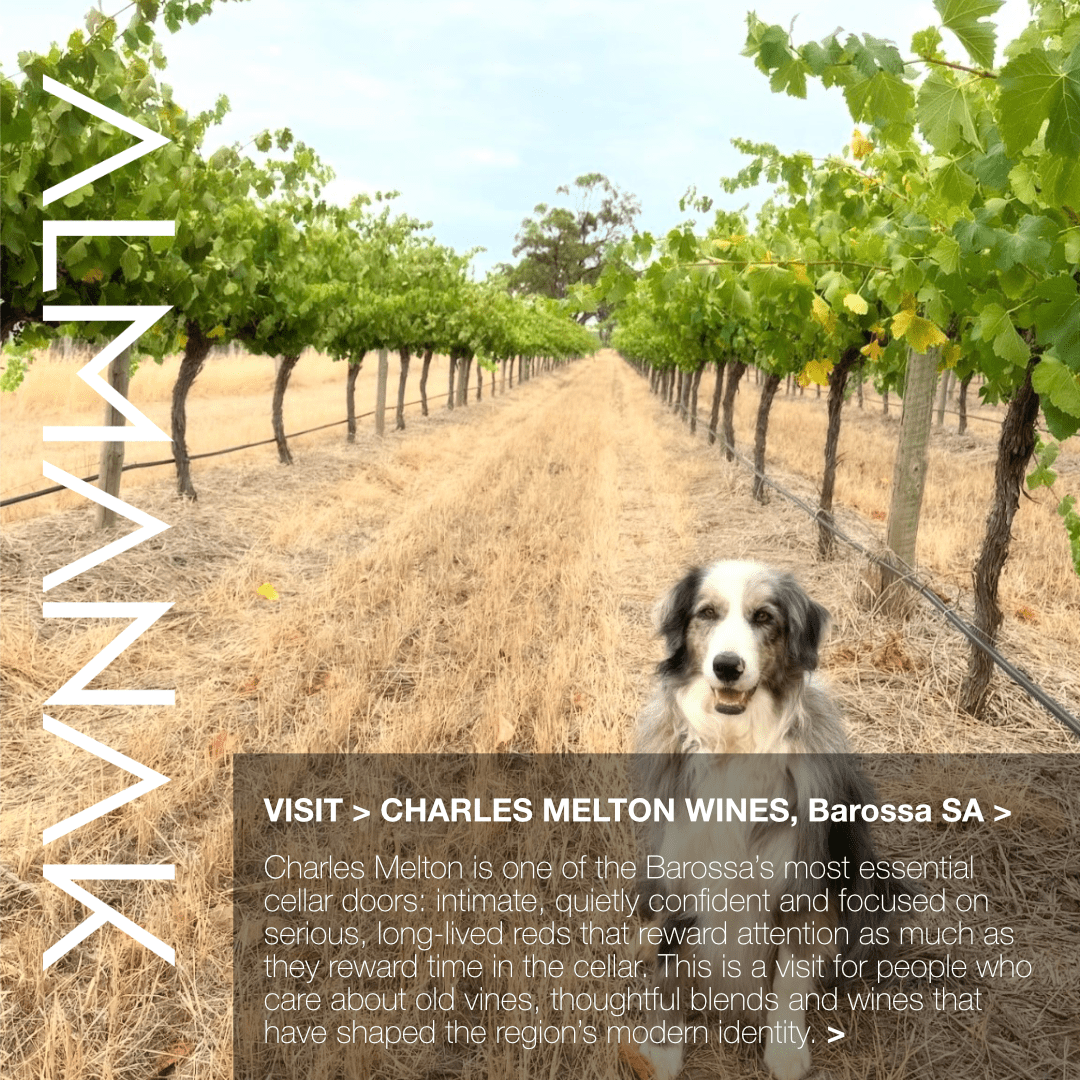
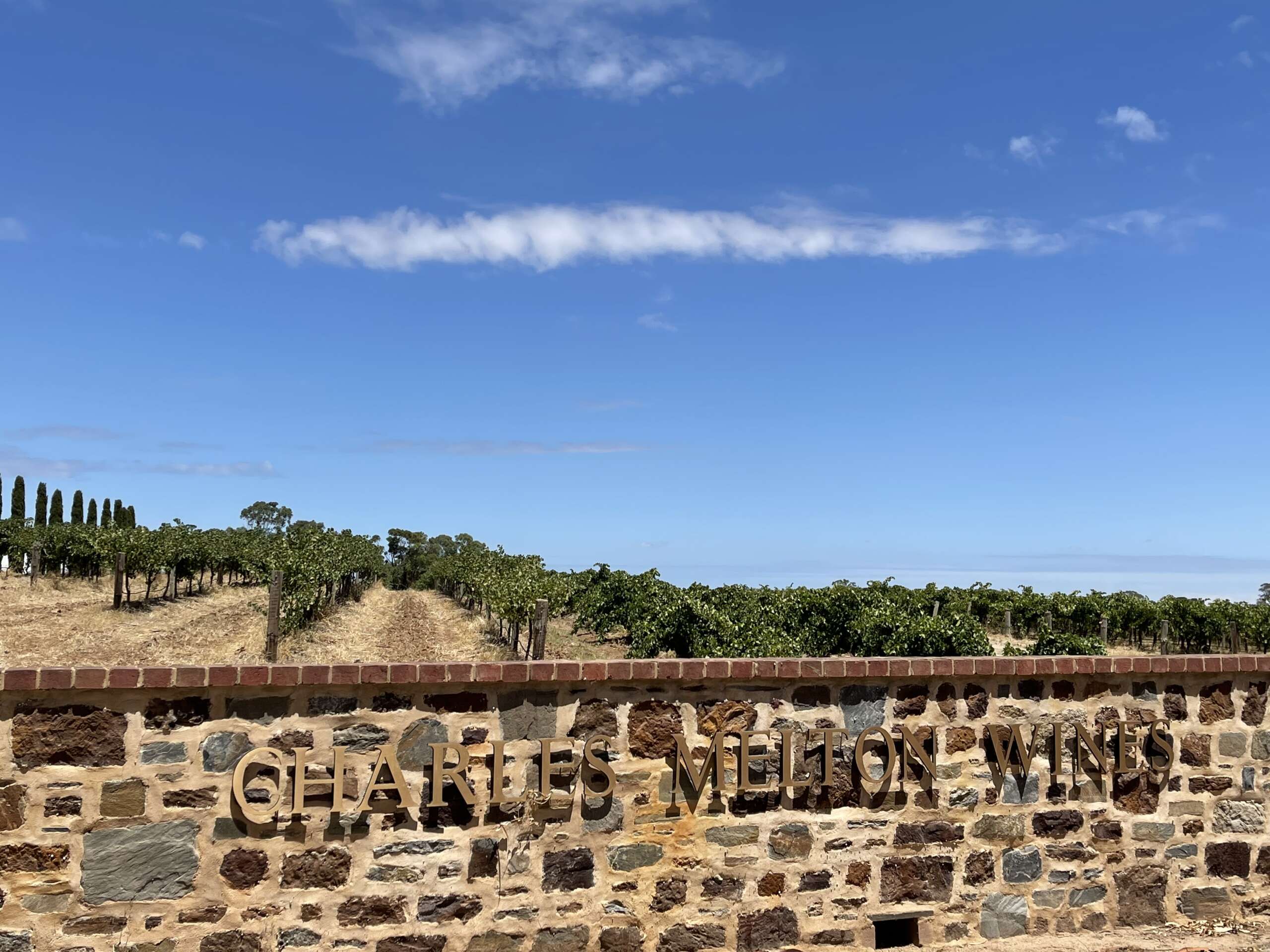
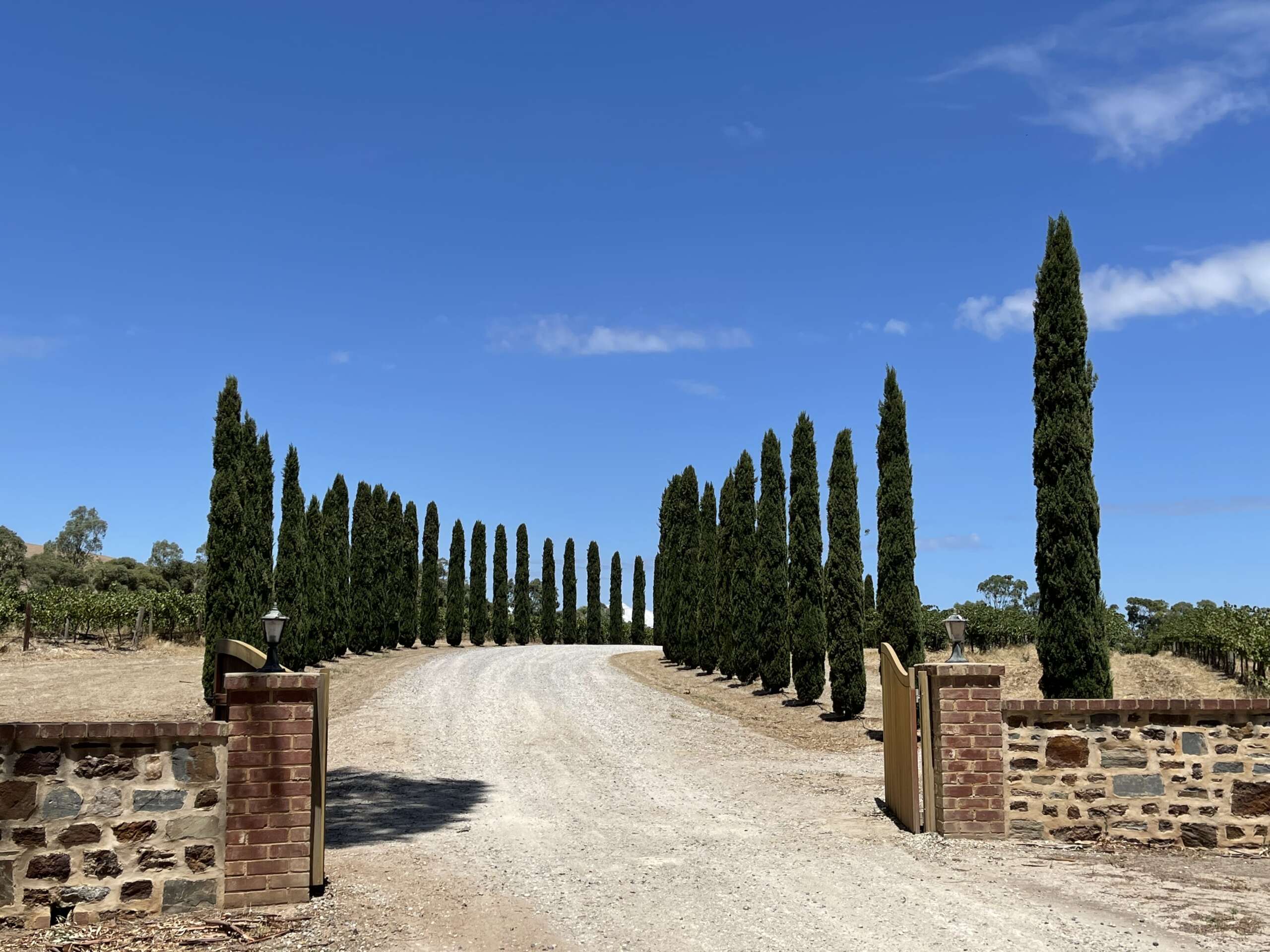
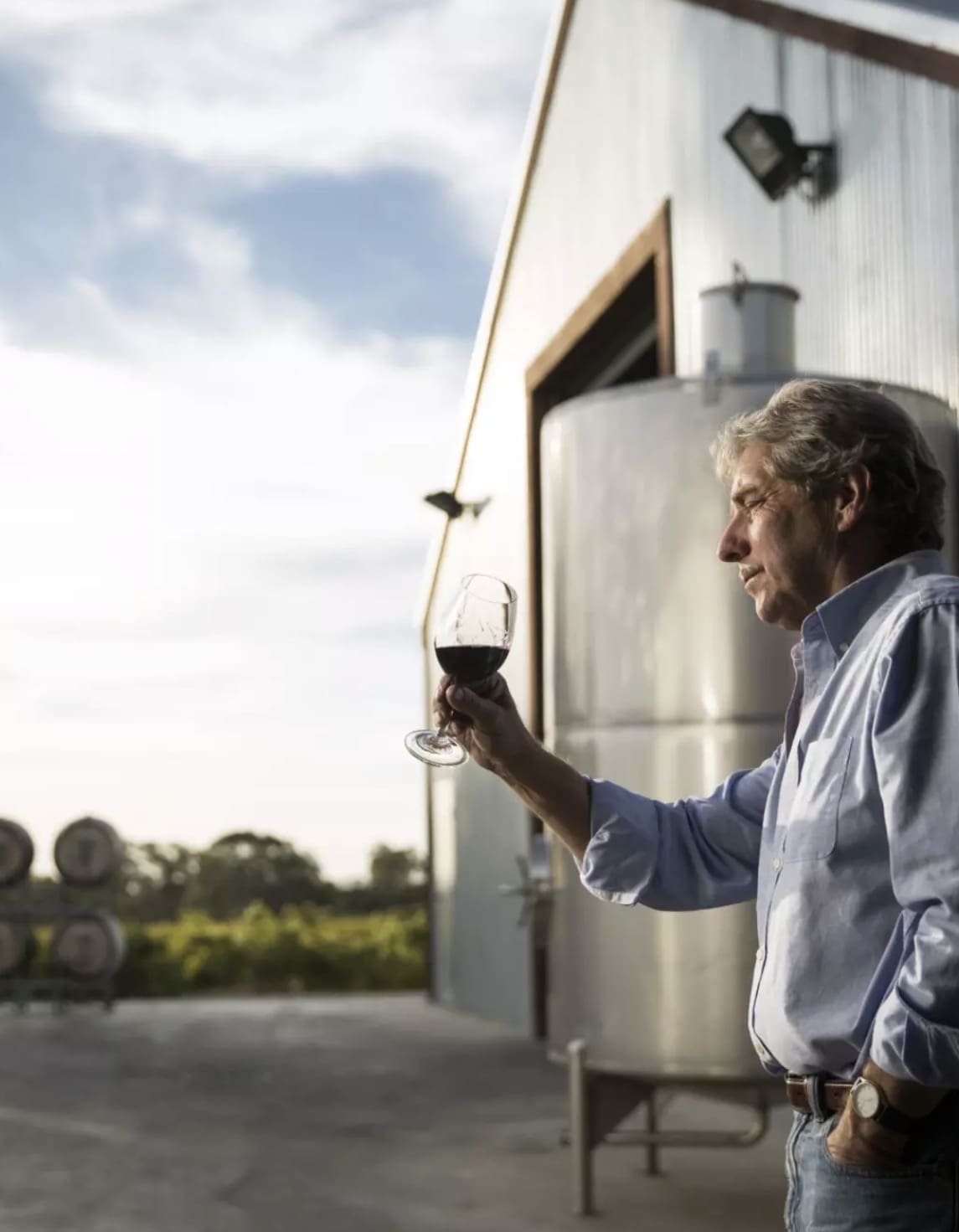
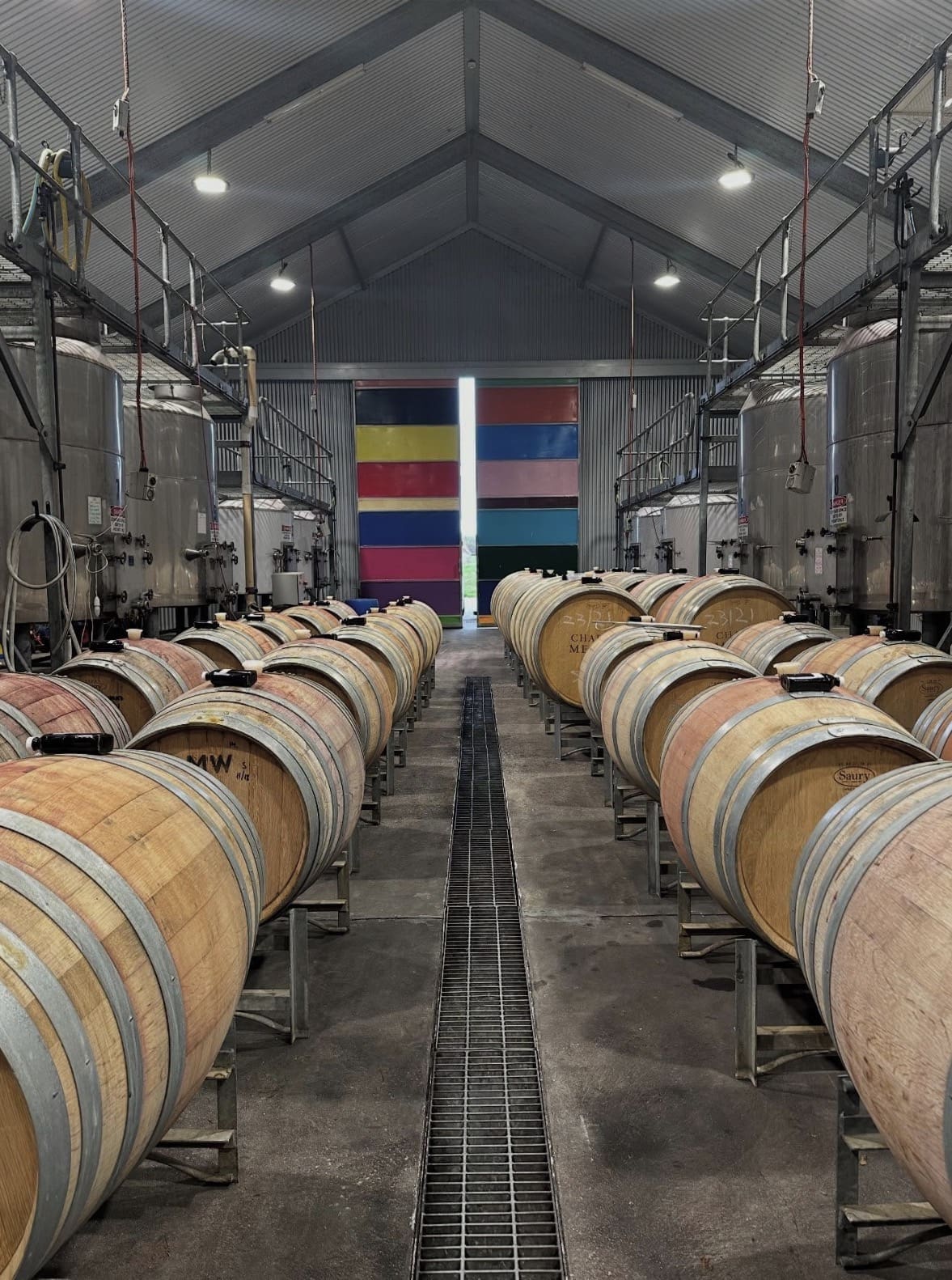
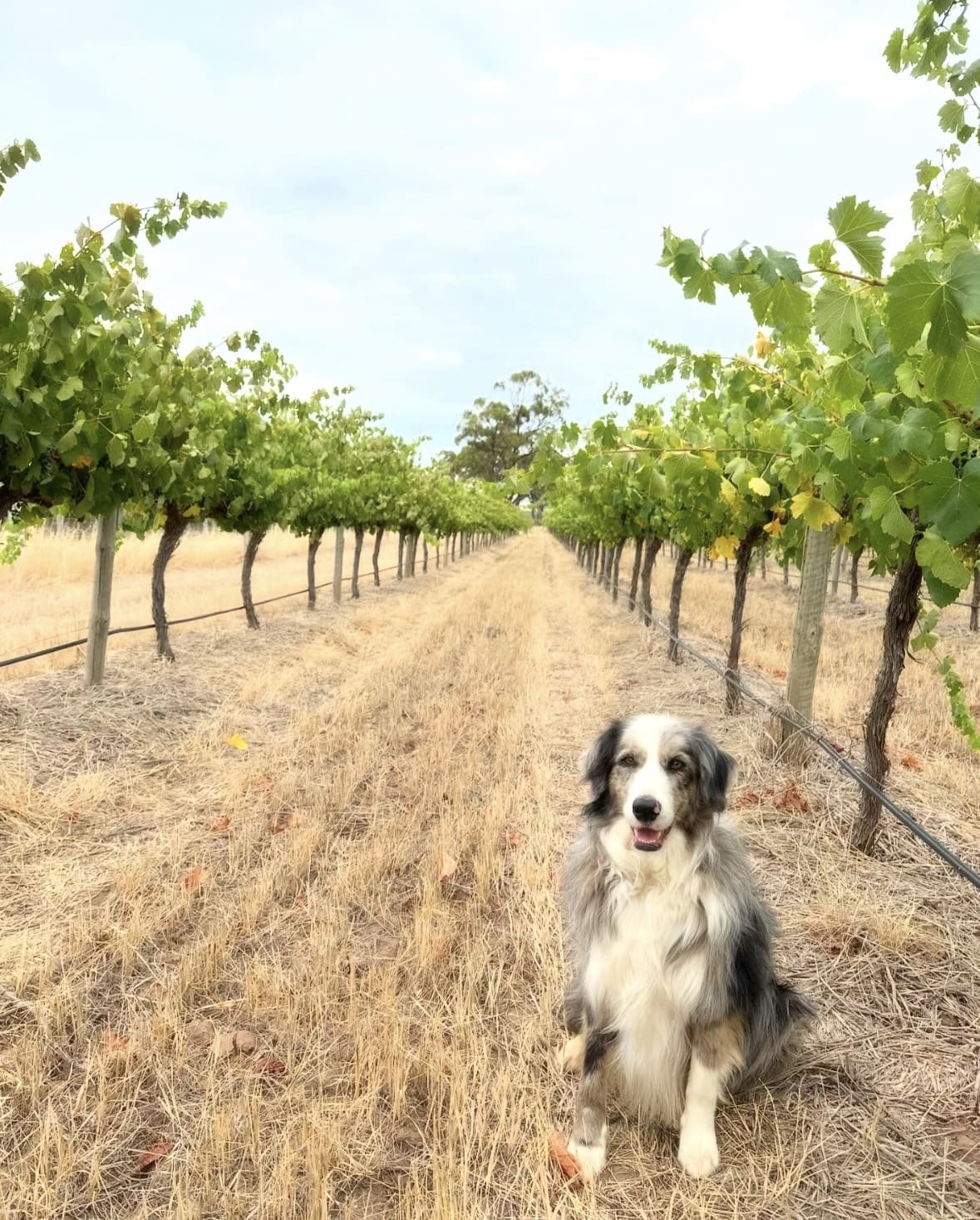
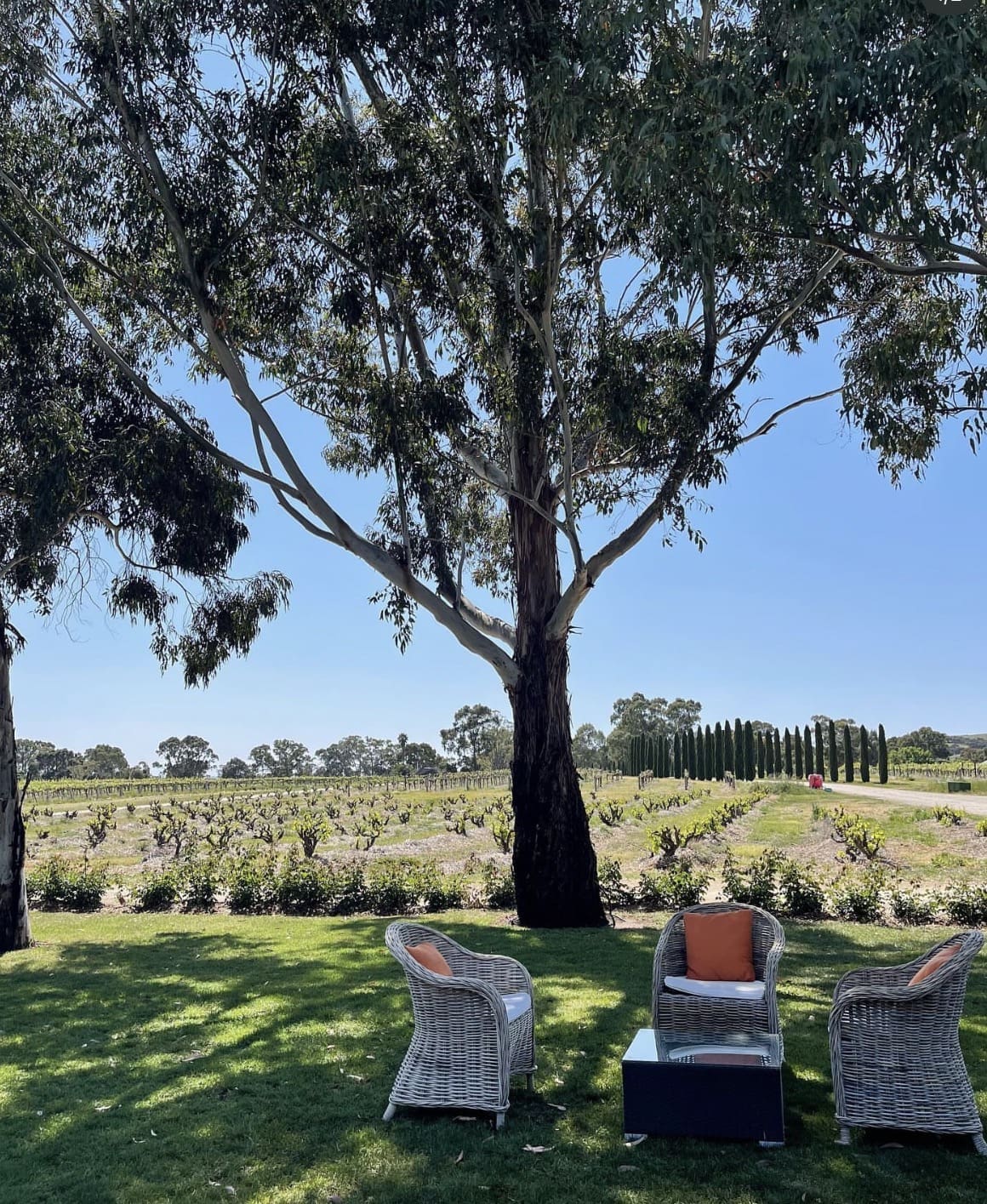
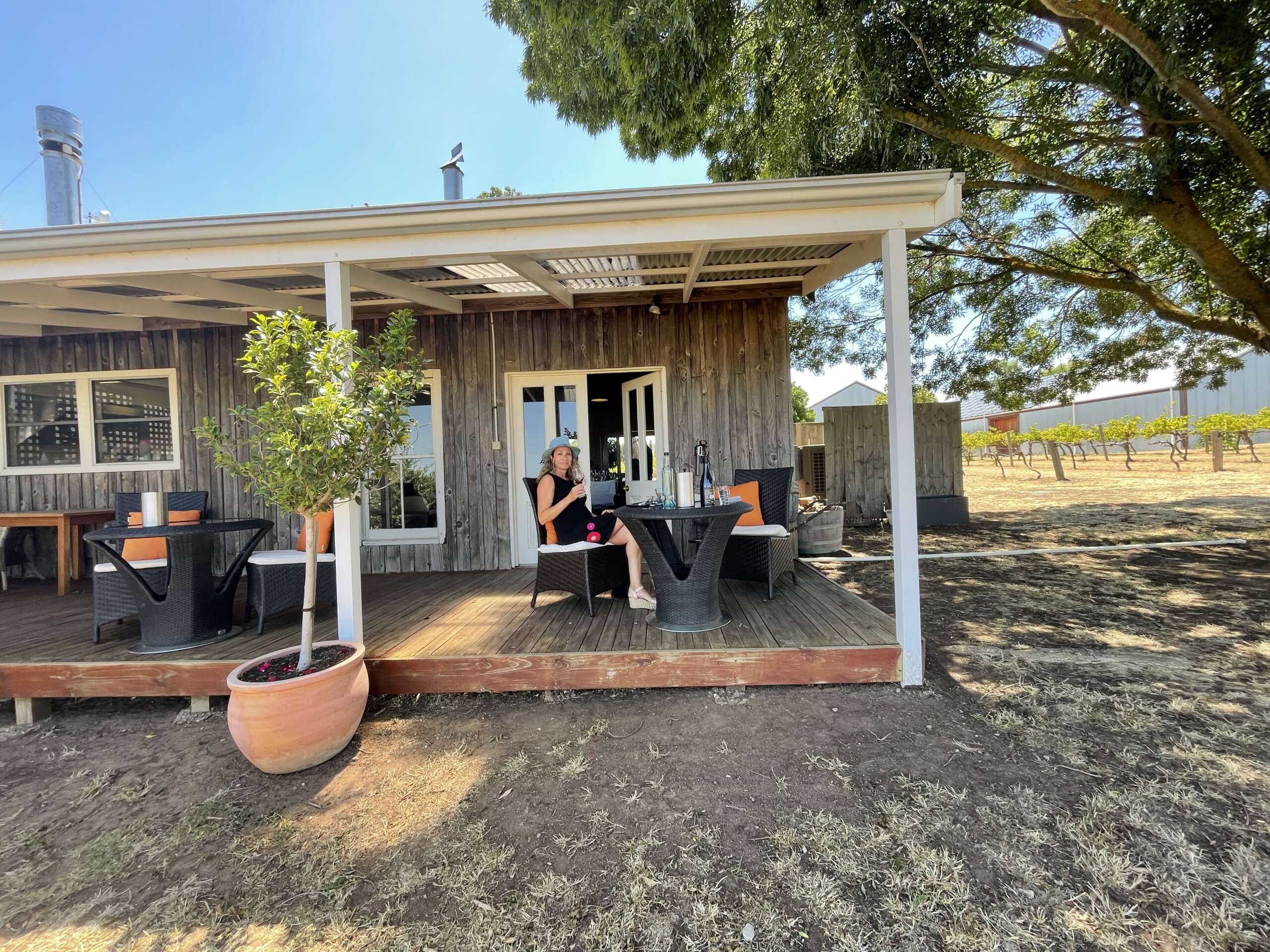
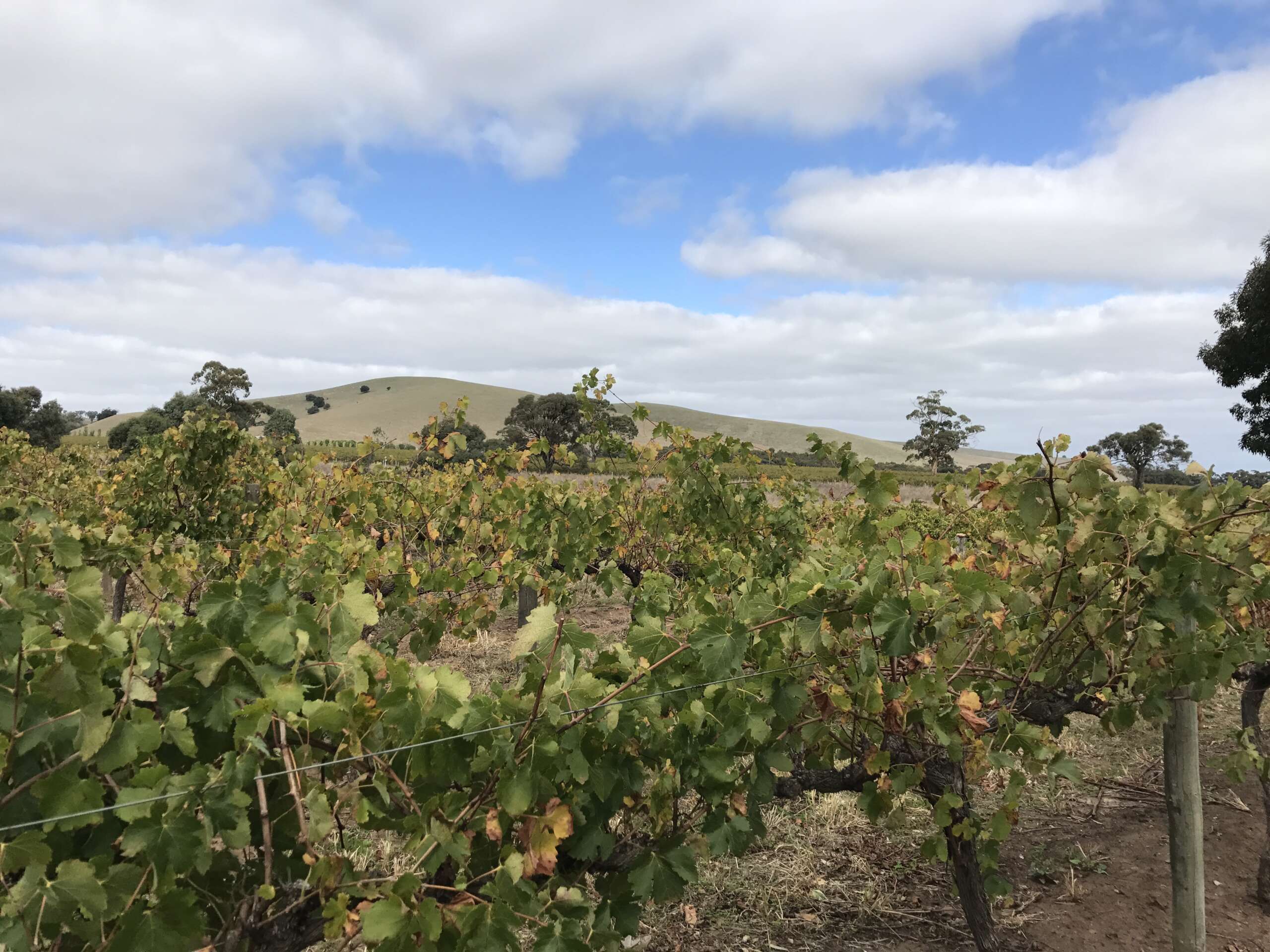
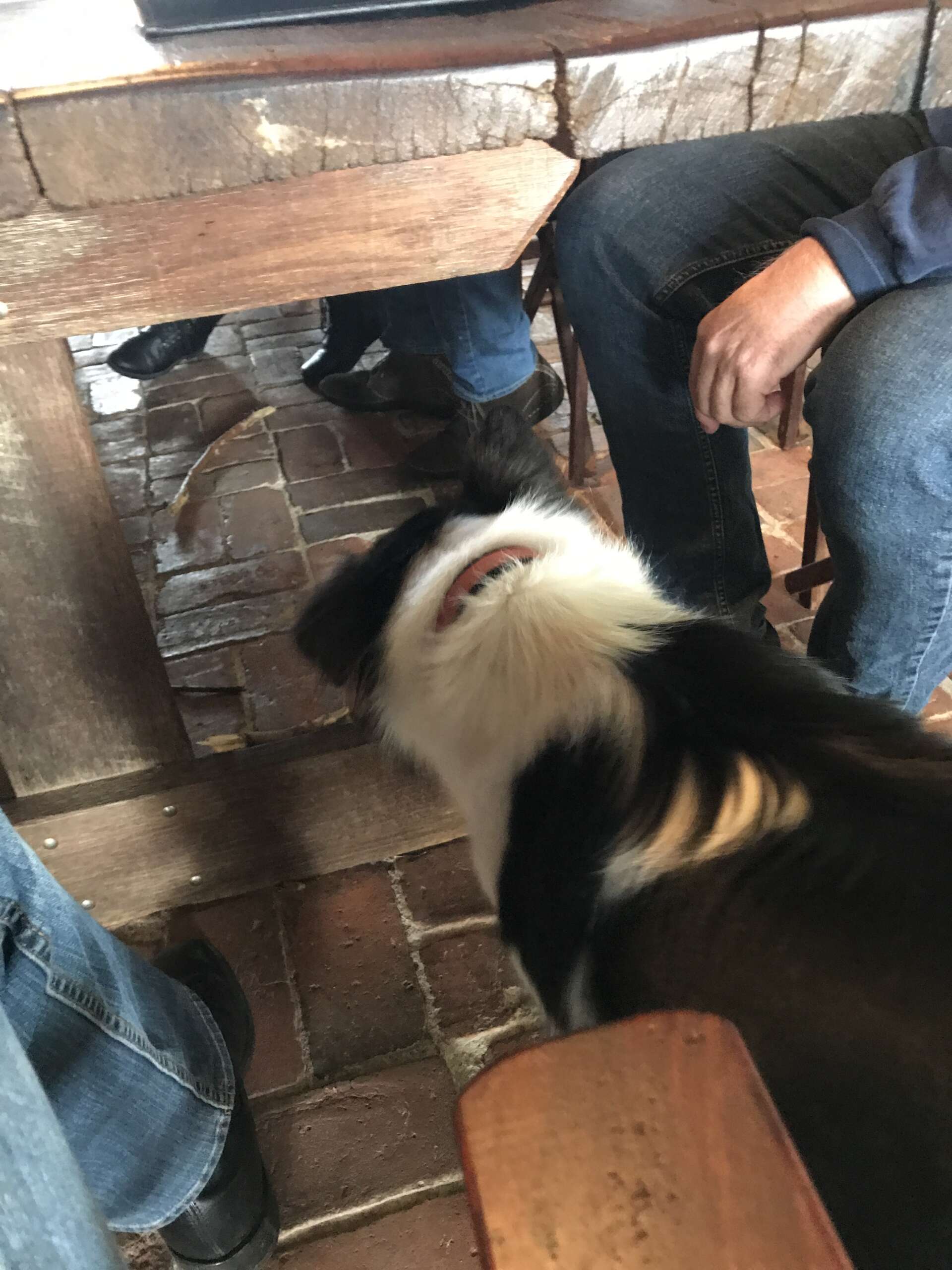
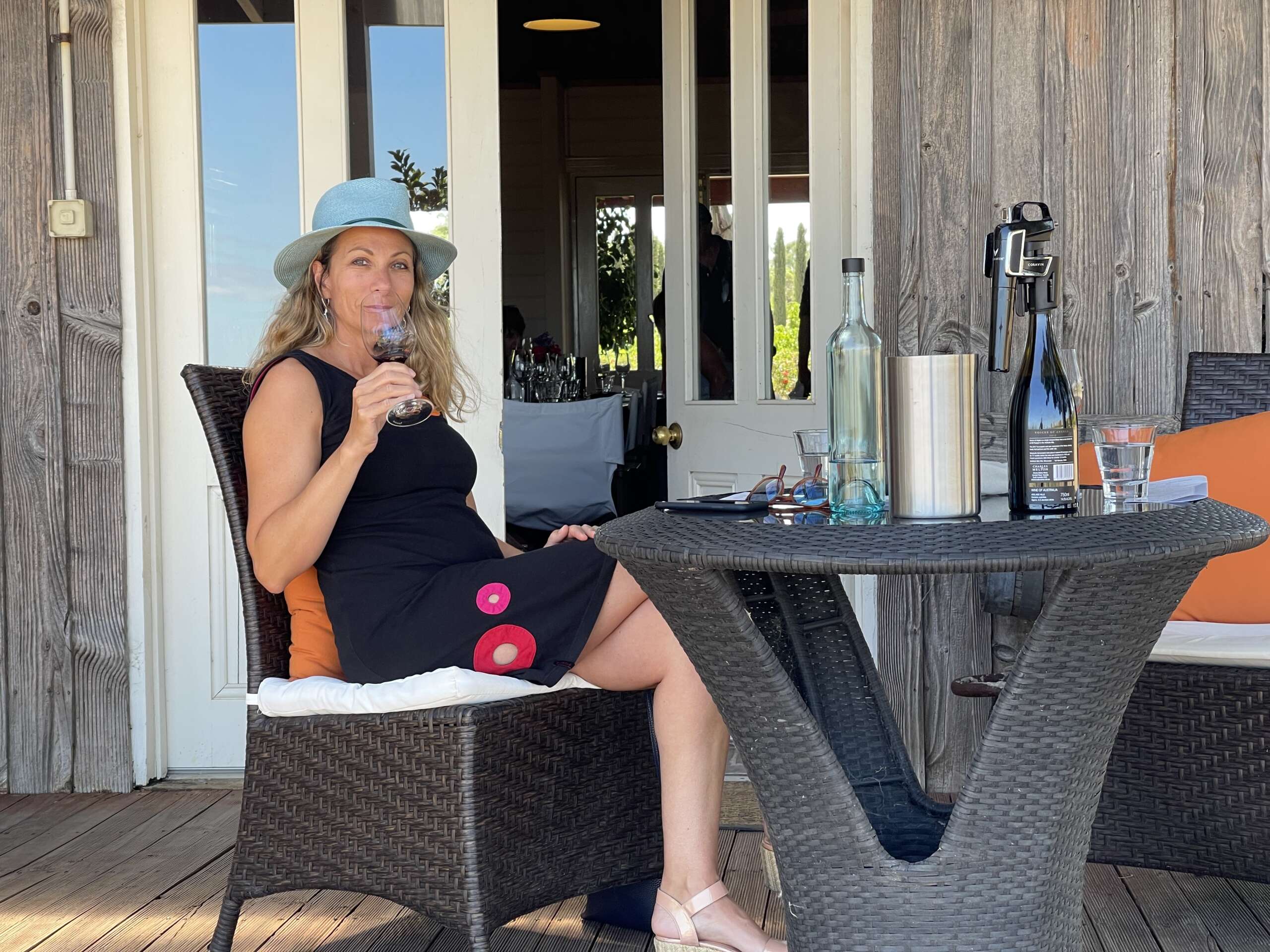
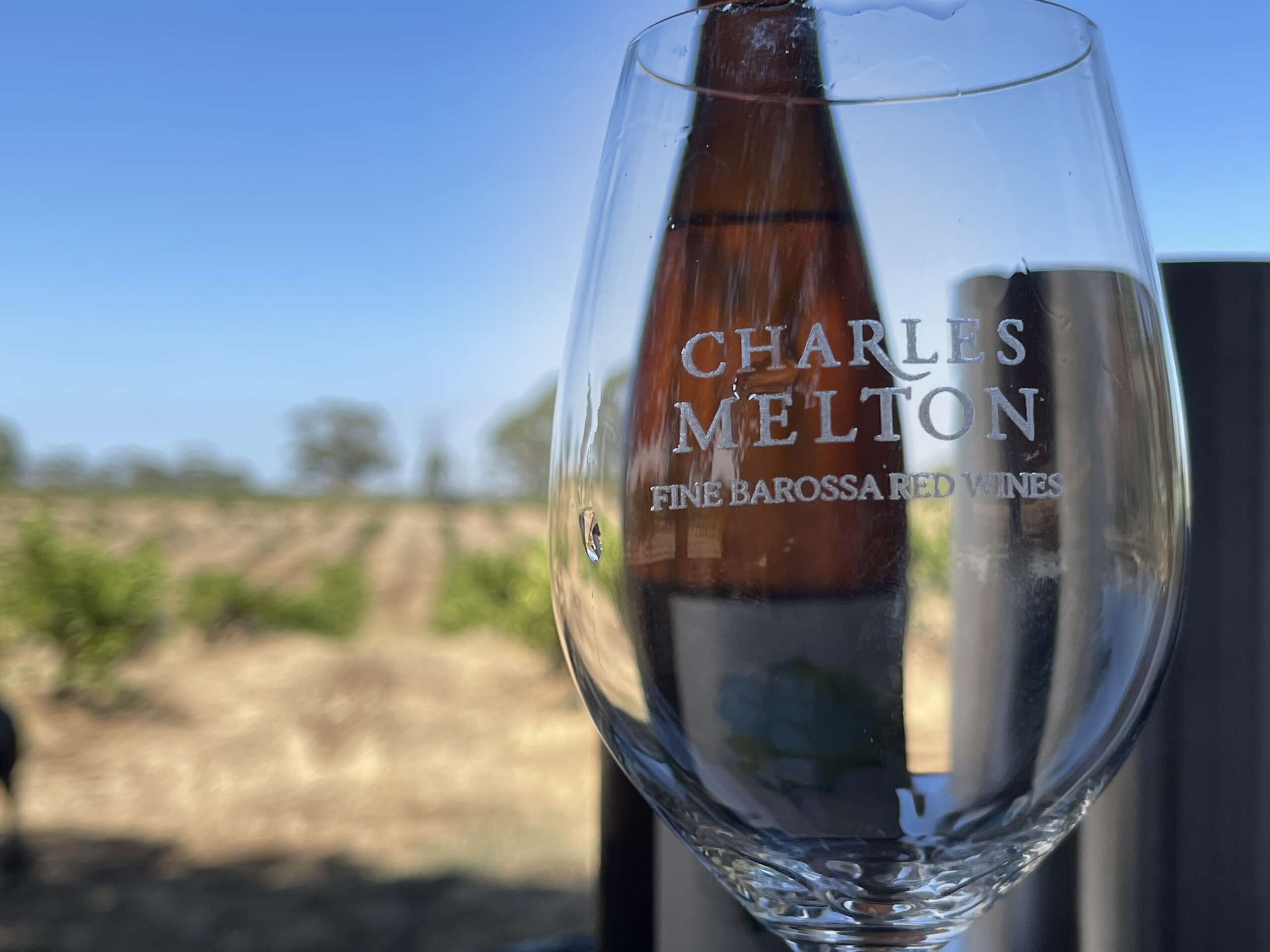
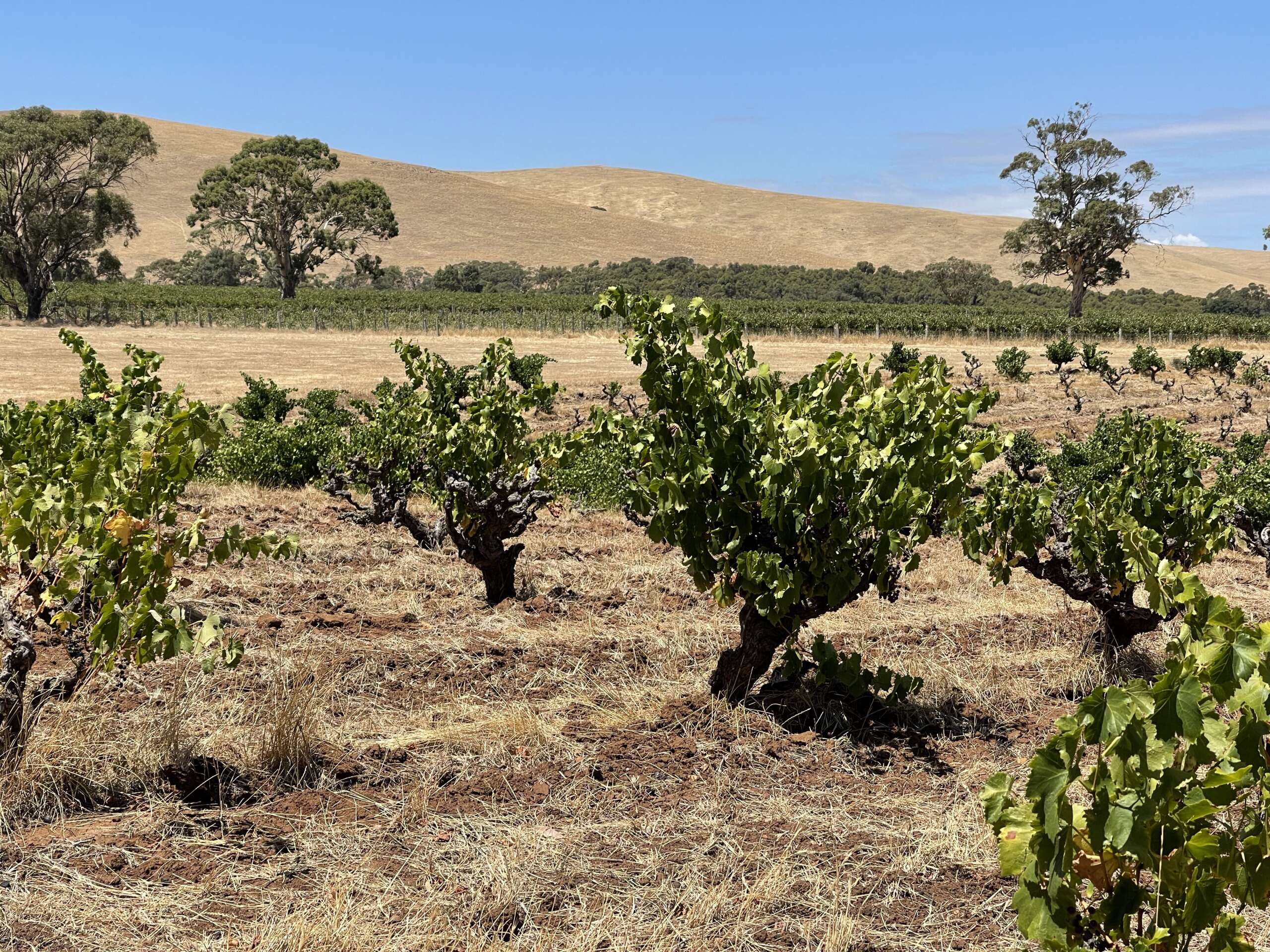

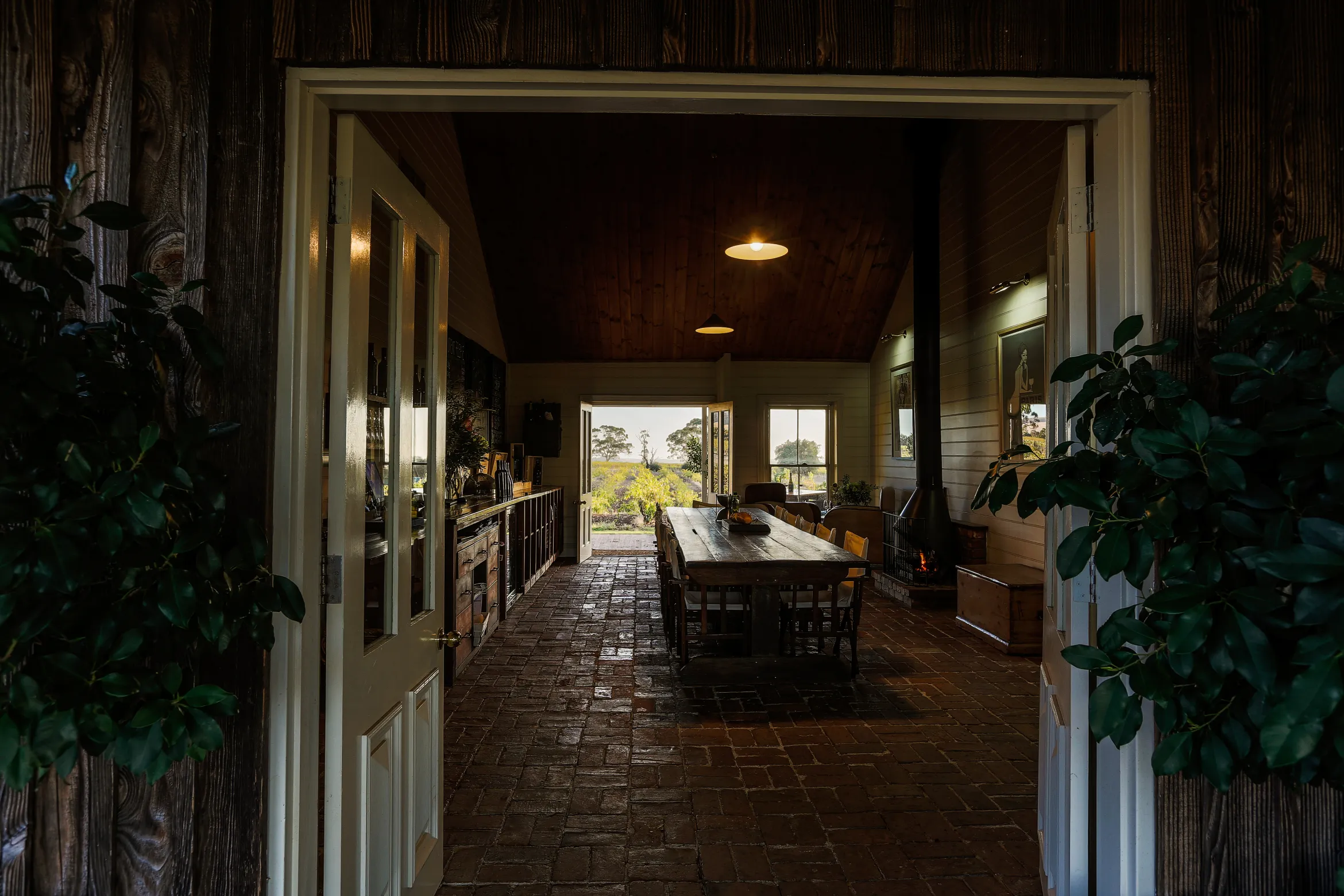
Image Credit | ALMANAK & Charles Melton Wines
DETAILS >
Address | Krondorf Road, Tanunda,
Barossa Valley, South Australia 5352
(PO Box 319, Tanunda SA 5352)
Phone | +61 8 8563 3606
Website | charlesmeltonwines.com.au
Instagram | @charlesmeltonwines