Share This Article

Luxury Hotel Sowaka is Kyoto distilled: a quietly opulent machiya hideaway that feels more like a cultivated private residence than a hotel, yet sits steps from Yasaka Shrine and the lantern-lit lanes of Gion
Luxury Hotel Sowaka in Gion is just the place to relax in Kyoto
AMBIENCE >
Slip through the noren at Sowaka and the clamour of Higashiyama dissolves into hushed corridors, low-slung eaves and mossy inner courtyards that could be a film set for old Kyoto. Bedrooms and suites are scattered through a warren of passageways designed to echo Kyoto’s alleyways, with paper shoji, plaster walls and beautifully worn timber framing curated views of stone paths, lanterns and pocket gardens.
The aesthetic is that elusive Kyoto suki – refined taste – rendered in contemporary form: handmade cedar speakers instead of lacquer TV consoles, camellia-oil amenities beside deep soaking tubs, cashmere-soft mattresses tucked neatly into tatami rooms. The mood is contemplative rather than ostentatious; lighting is low, sound is soft, and the building’s century-old bones are allowed to speak, only lightly edited by a sympathetic architect’s hand.
SLEEP >
Rooms at Sowaka range from compact main-building doubles to annex suites with balconies and private gardens, but the unifying thread is quietly indulgent comfort rather than square-metre bravado. Expect tatami underfoot, sliding paper screens, and layouts that blur bed, sitting and tea-drinking zones into a single fluid volume oriented towards a tree, stone basin or borrowed temple roofline.
Western-style beds, cashmere-upholstered mattresses and underfloor heating keep things firmly in the 21st century, while the hotel’s own spring water and camellia-based bath products elevate bathing to small ritual. Some rooms open directly onto tiny private gardens; others trade greenery for elevated city or mountain views, best enjoyed with the windows cracked to catch temple bells drifting up from the valley. Night-time is near-silent, save for the rustle of bamboo and the occasional late-returning guest padding past on polished boards.
EAT >
Sowaka’s restaurant leans into Kyoto’s craft-driven food culture with a menu that reads like a seasonal haiku: vegetables from nearby farms, river fish, precise kaiseki sequences that track the calendar as much as the clock. Breakfast sets – Japanese or Western – arrive beautifully composed, the former a tray of grilled fish, pickles and miso that feels both virtuous and quietly luxurious, the latter polished café fare uplifted by impeccable produce.
I was so hooked on the Western breakfast (with a delicious basket of fresh bakery items and a hot coal hibachi at the table to toast as you go) that I had it every day. By contrast Angie stayed mostly with the Japanese breakfast which gave her the same warming opportunity but with grilled fish.
In the evening, the dining room softens into a lantern-lit theatre of ceramics, lacquer and glass, with dishes that echo the building’s design language: restrained, textural, deeply local. Portions are modest rather than macho, designed for contemplation rather than excess, and service is attentive but never overbearing – staff glide in and out, topping up tea or sake with the kind of choreography that makes time slow down.
DRINK >
Down a discreet corridor, Sowaka’s bar feels like a secret annex to Kyoto’s better whisky dens: a small, dimly lit room with a few well-chosen seats and a back bar heavy on Japanese whisky, sake and shochu. It is the sort of space where a single highball or daiginjo can easily become three, simply because the combination of silence, amber light and courteous bartending is so persuasive.
The list is compact but curated, skewing towards producers with strong regional stories rather than trophy labels. Cocktails lean classic and precise rather than showy; this is where you come for a martini calibrated to the millimetre before stepping out into Gion’s alleys, or for a quiet nightcap after an evening of kaiseki and temple walks.
WORKOUT >
There is no gym in the conventional sense, but Kyoto itself is the workout at Sowaka. Step outside and you are within minutes on foot of Maruyama Park, Kodaiji’s stone paths and the slopes up towards Kiyomizudera – natural circuits for morning runs, brisk walks or stair-climbing disguised as sightseeing.
Staff are well-versed in plotting jogging loops that thread shrine-lined lanes and riverside paths, and the hotel can help arrange bicycles if you prefer your cardio on two wheels. This is movement measured in shrines passed and vistas gained rather than calories burned, and all the better for it.
PLAY >
Location is Sowaka’s biggest leisure amenity: you are effectively sleeping inside a postcard of Southern Higashiyama. Yasaka Shrine is moments away, Gion’s cobbled streets begin at the doorstep, and iconic sites like Kiyomizudera, Kodai-ji and the lantern-lit alleys of Ninenzaka and Sannenzaka are easily reached on foot.
The hotel leans into this with curated experiences and private tours – think after-hours temple illuminations, sunrise visits to Kiyomizudera, and introductions to artisans that most visitors never meet. Even unstructured time feels charged here: an aimless evening stroll can yield glimpses of maiko slipping between appointments, while a rainy afternoon is an invitation to simply sit by the courtyard windows and watch droplets stitch patterns into the moss.
CONCLUSION >
Sowaka is for travellers who want Kyoto not as a checklist, but as a slow, immersive narrative told through architecture, hospitality and the quiet passage of time in a courtyard garden. It is not inexpensive, and it makes no attempt to be all things to all people, but if your idea of luxury is a perfectly steeped bowl of matcha in a century-old room, the creak of old timbers under bare feet, and temple bells as your alarm clock, this is where Kyoto’s often overused notion of “authenticity” finally feels earned.
Click on images below to launch the lightbox
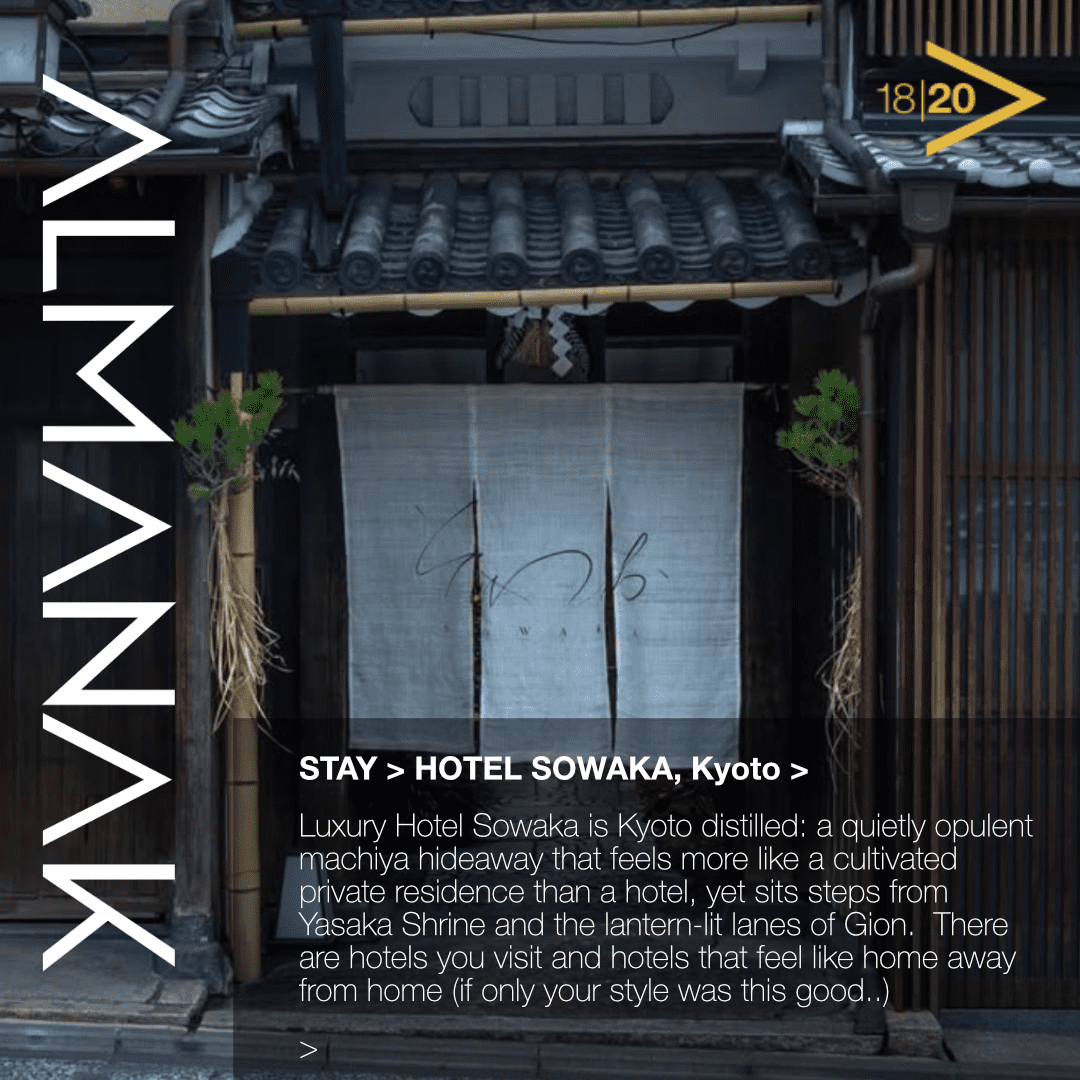
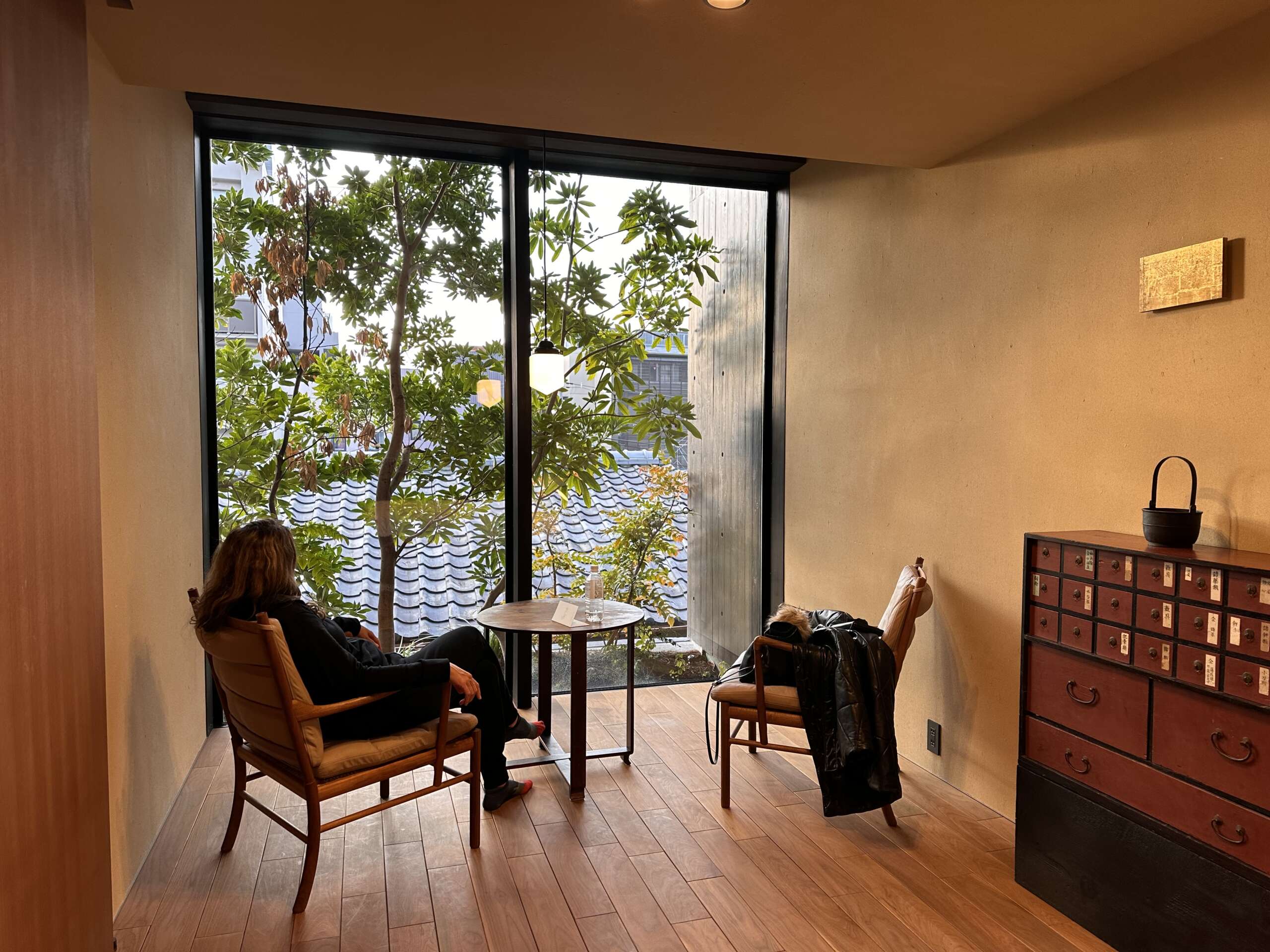
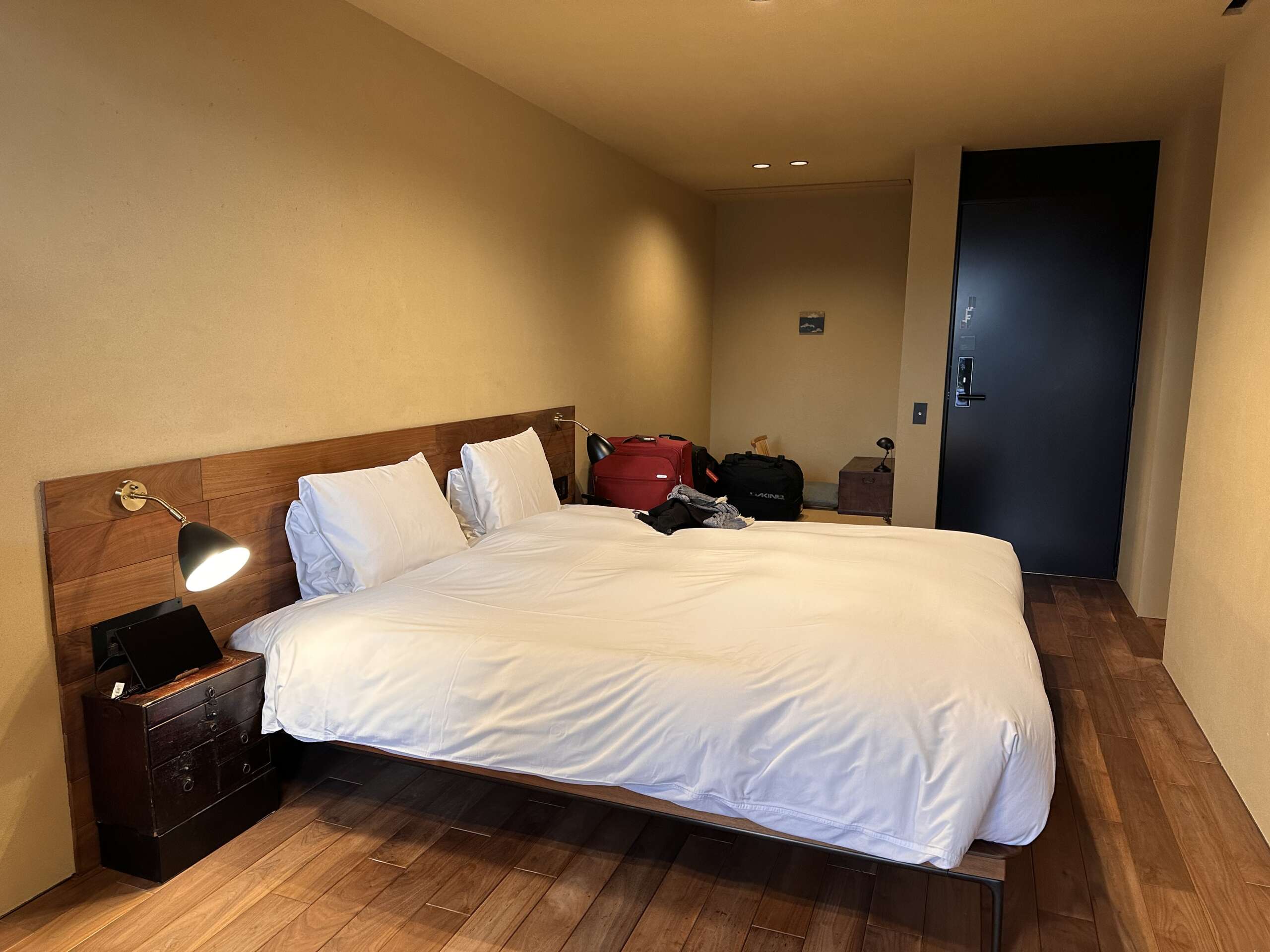
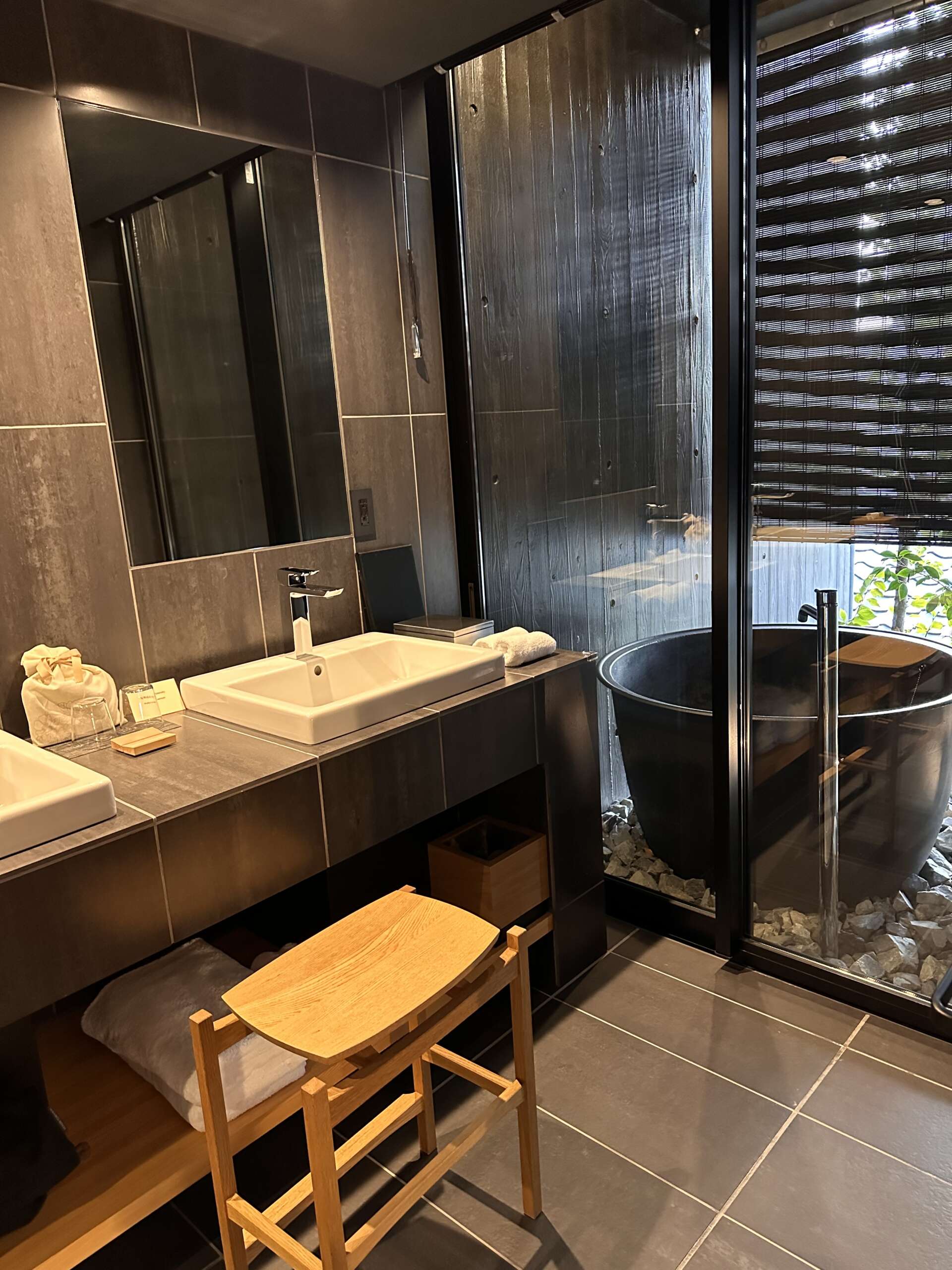
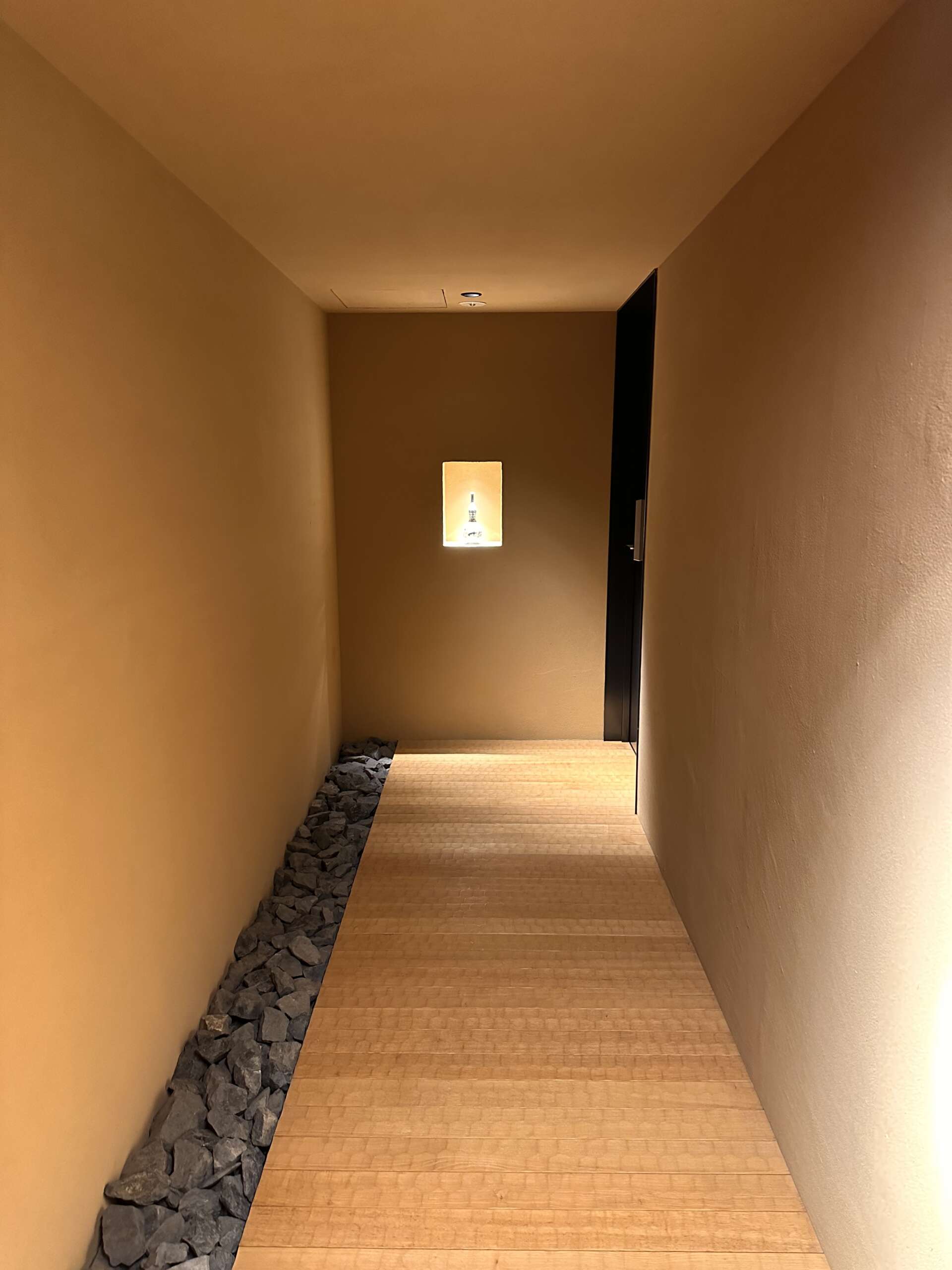
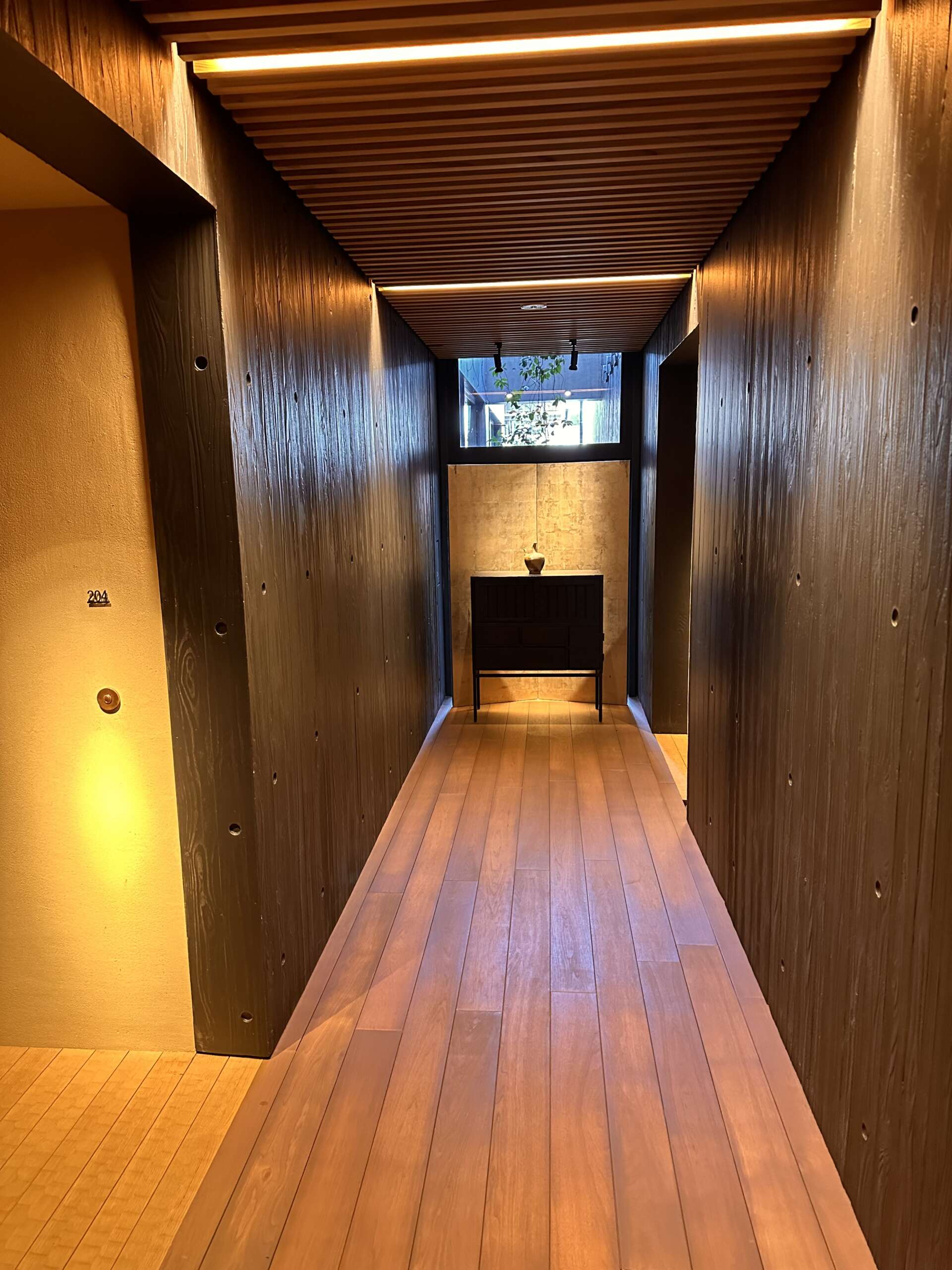
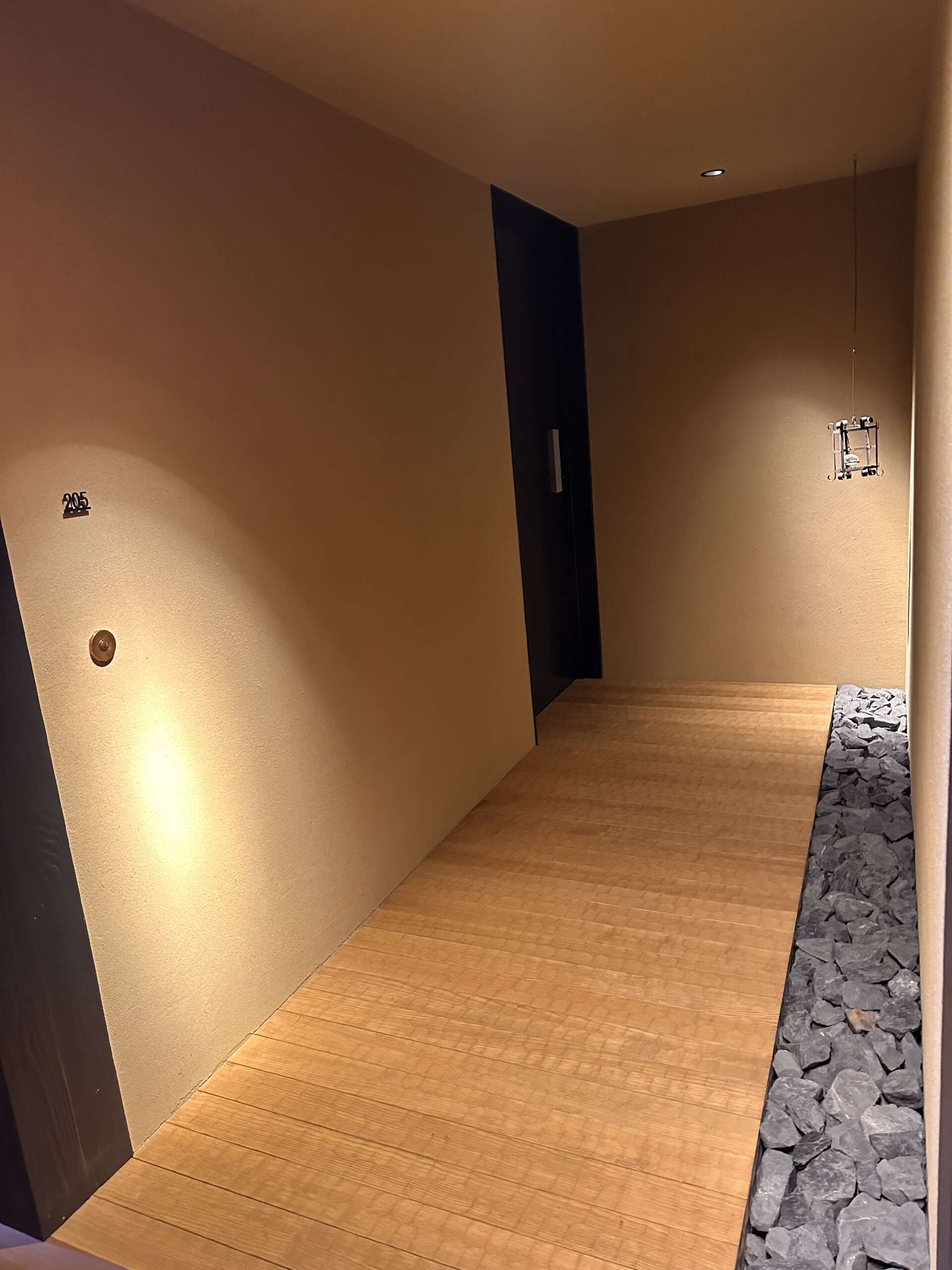
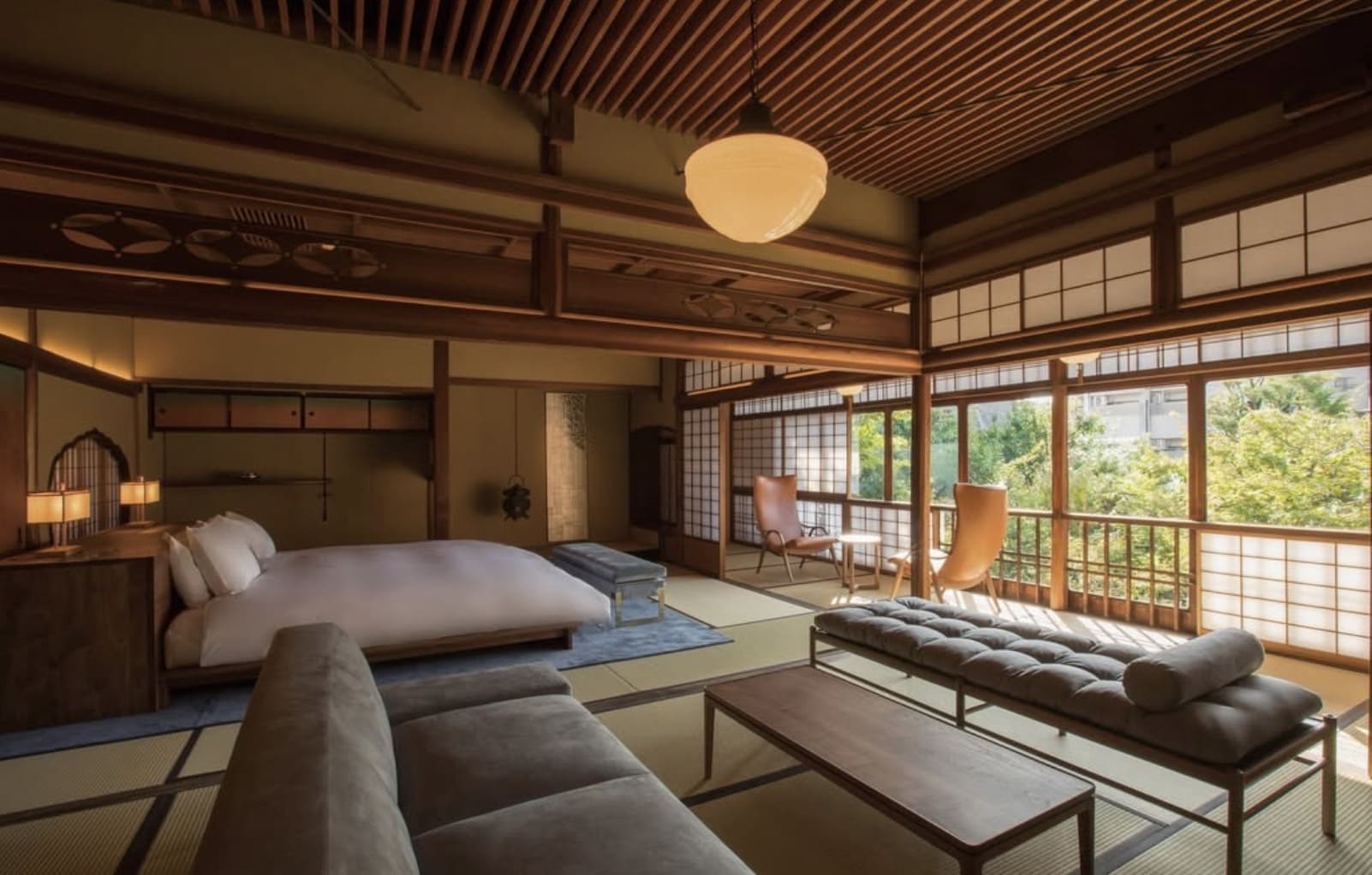
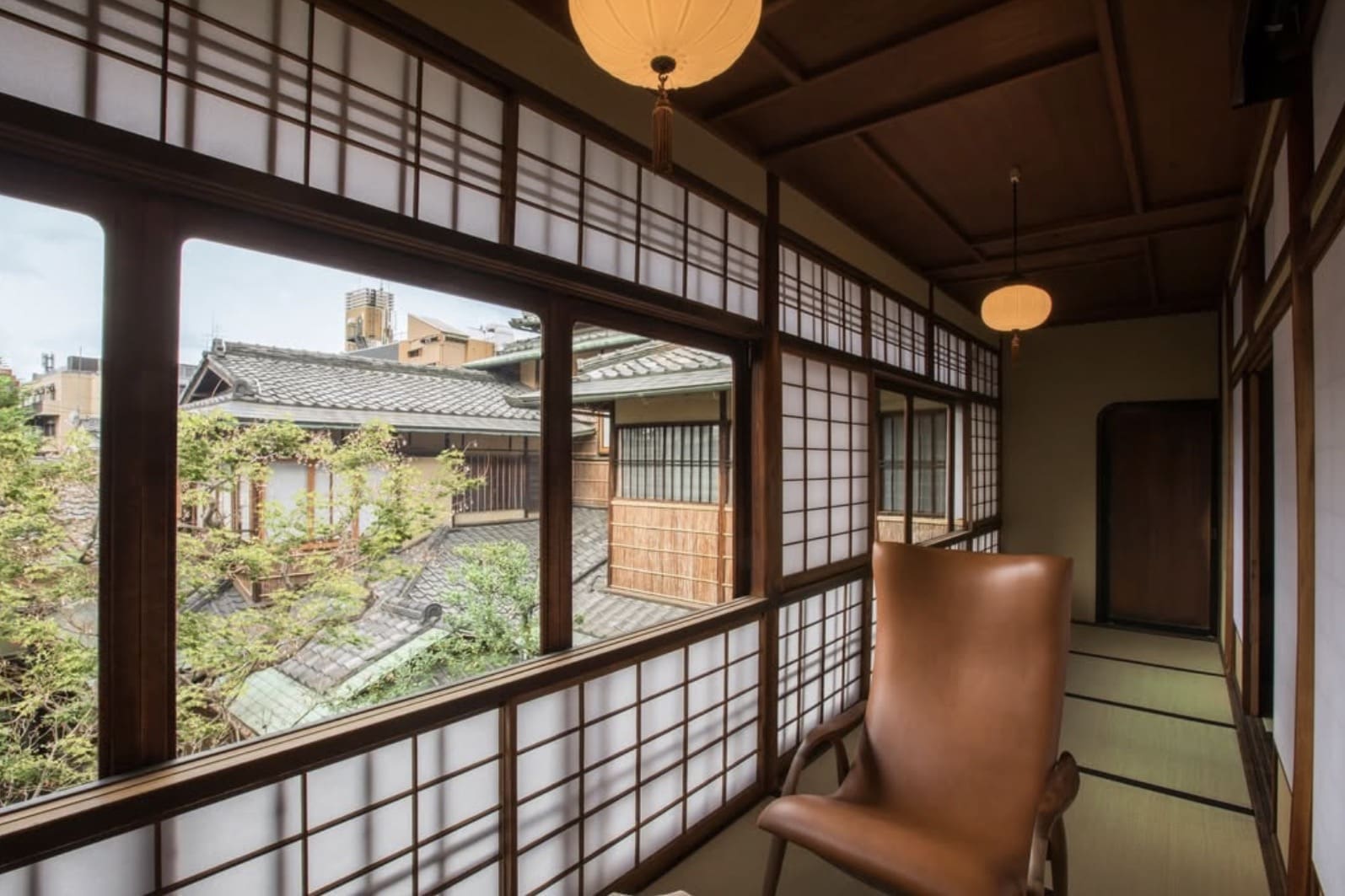
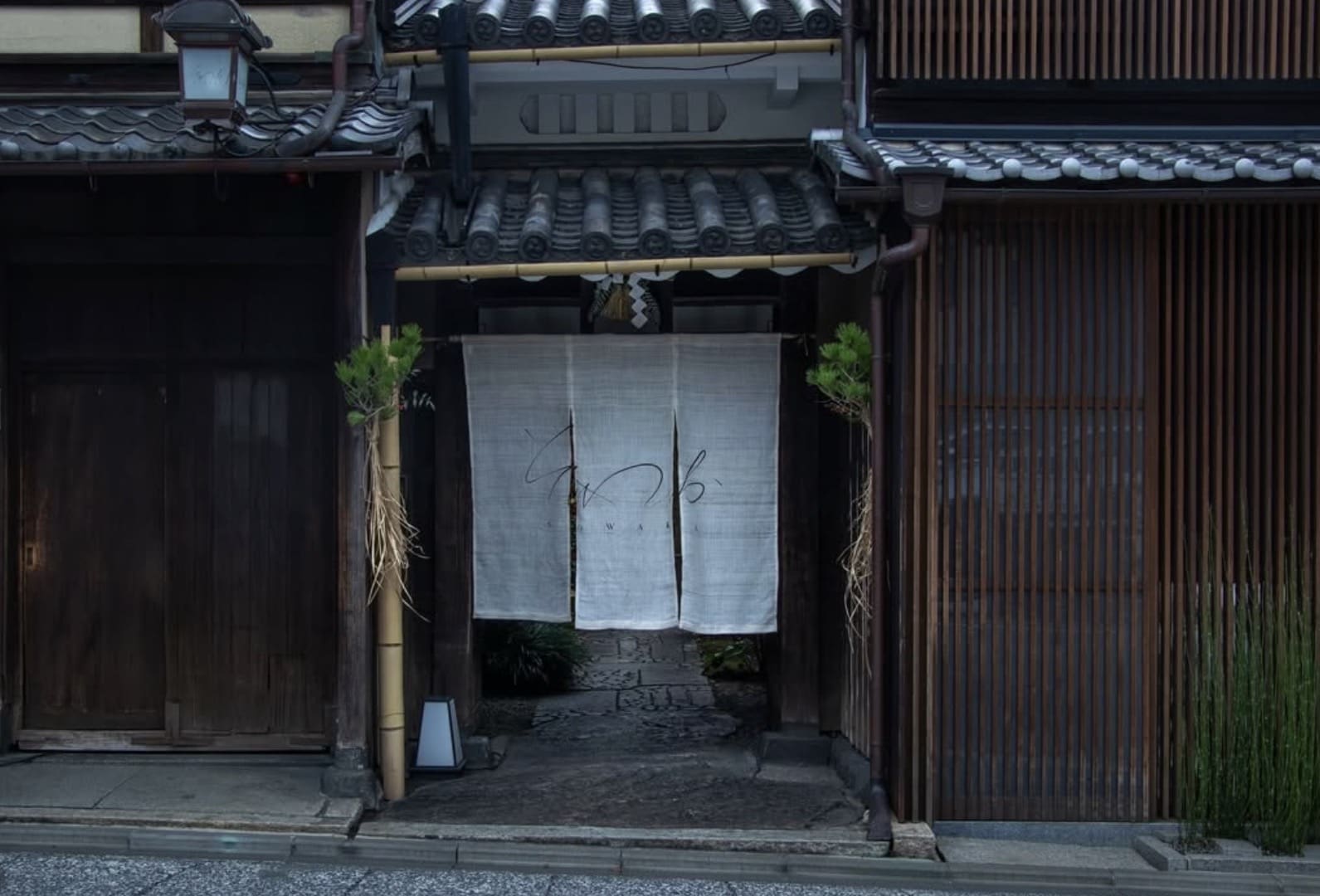
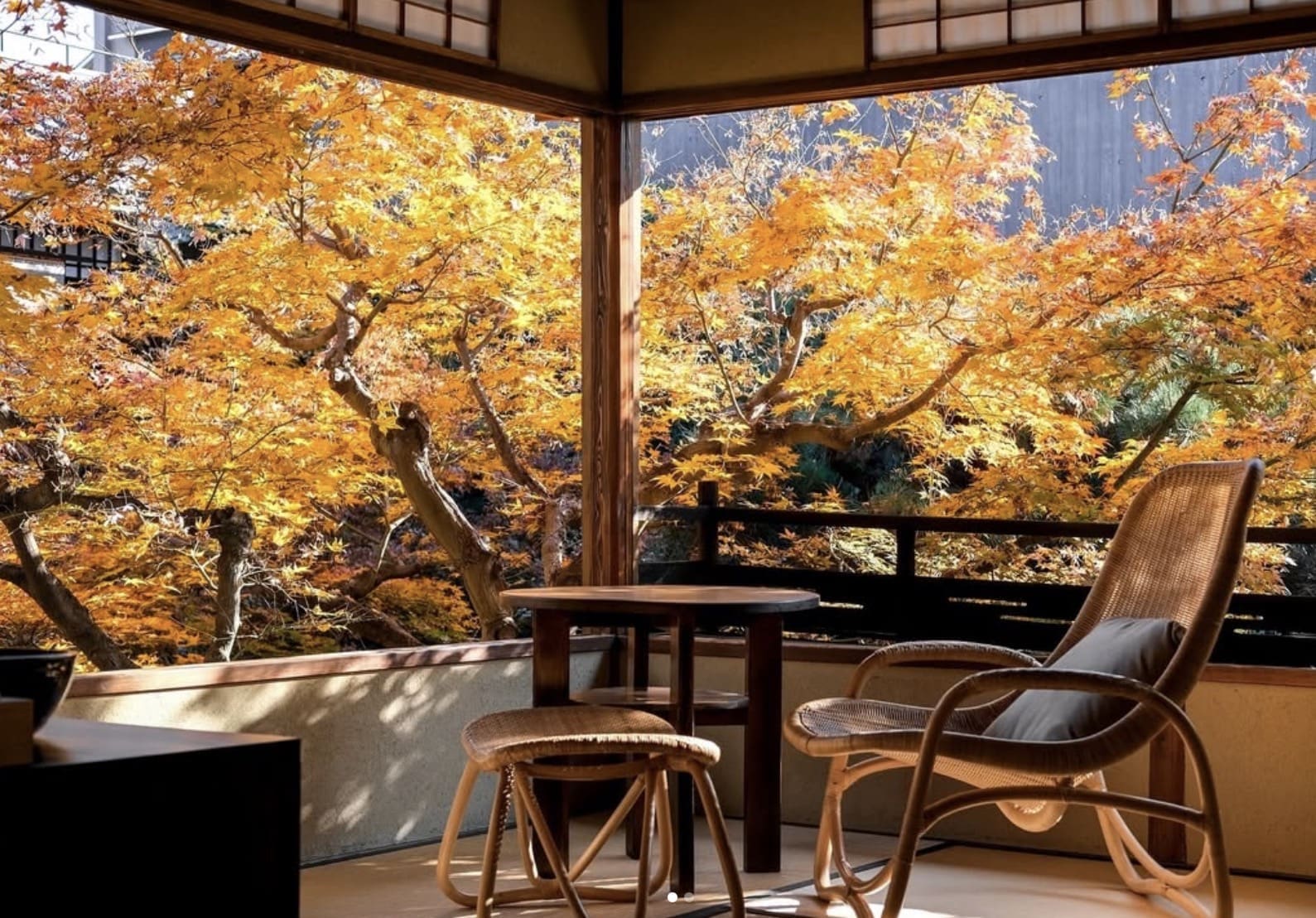
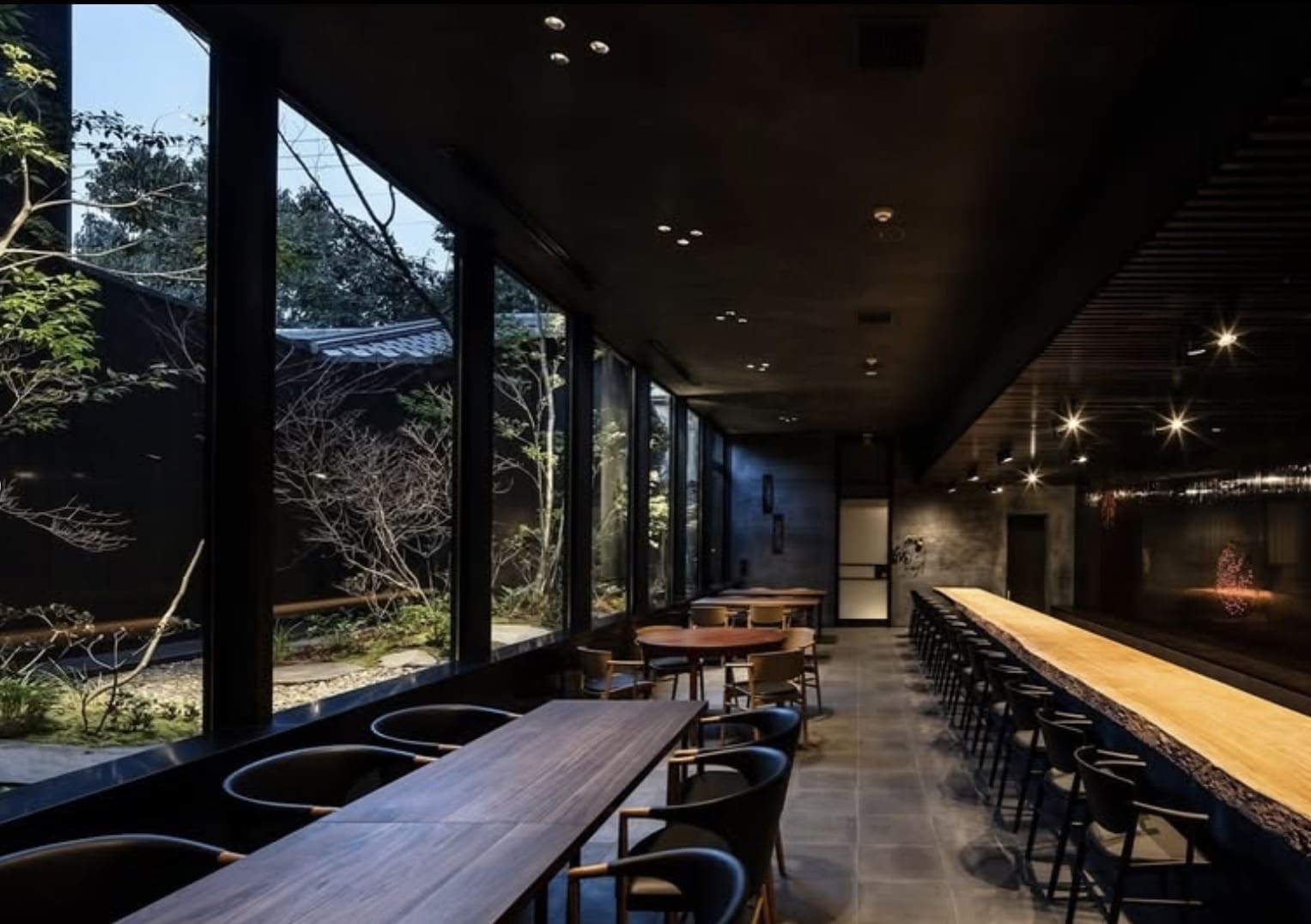
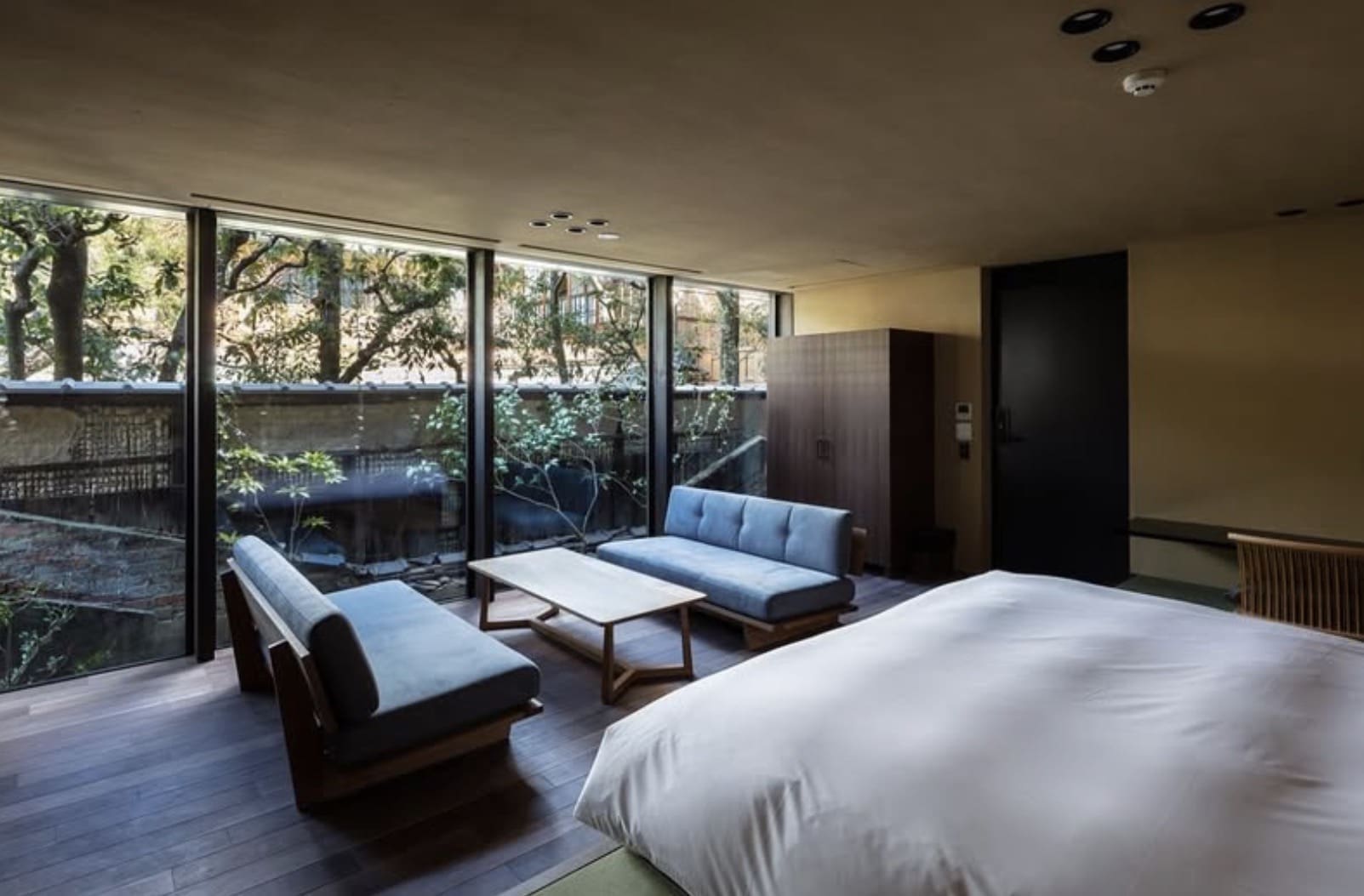
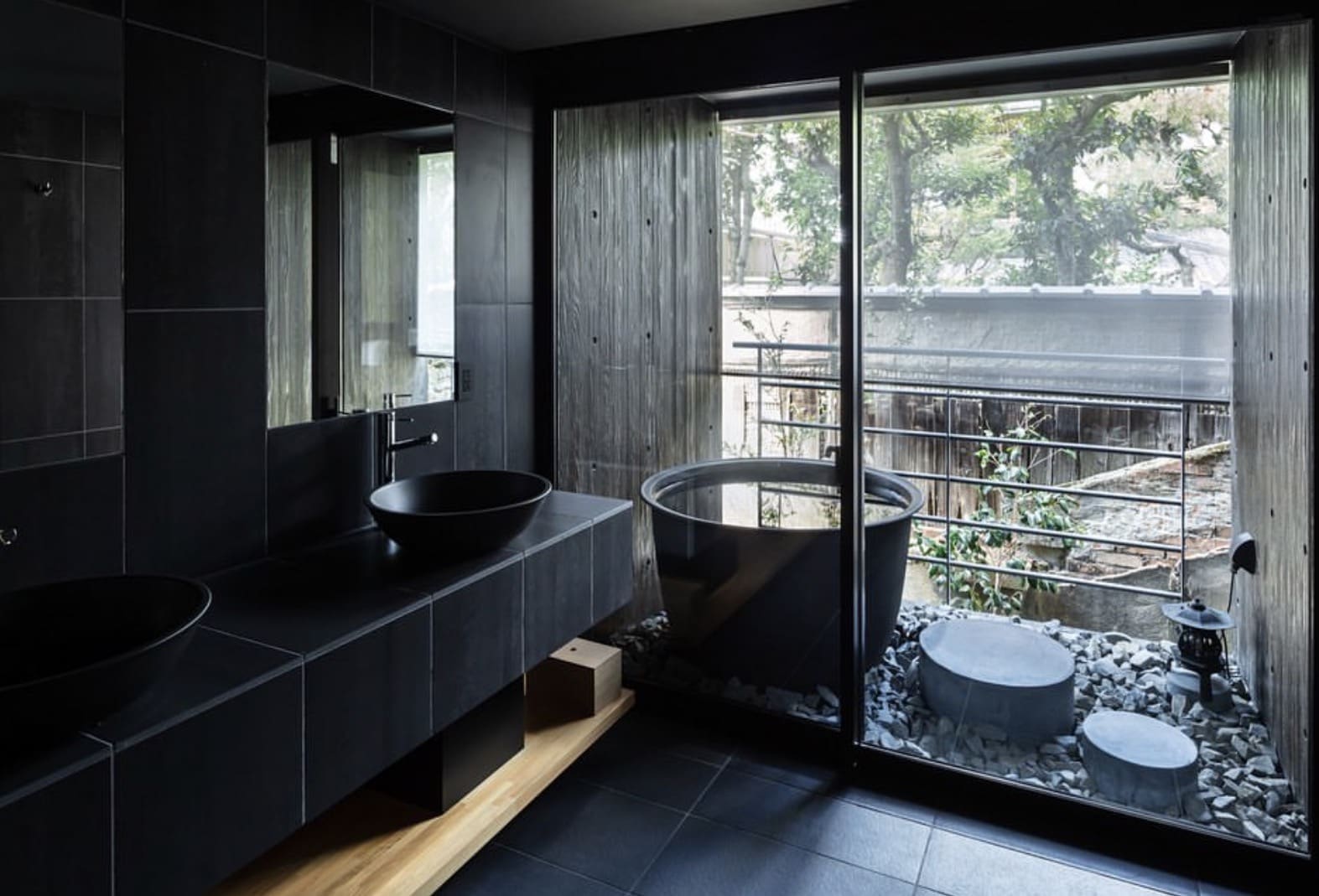
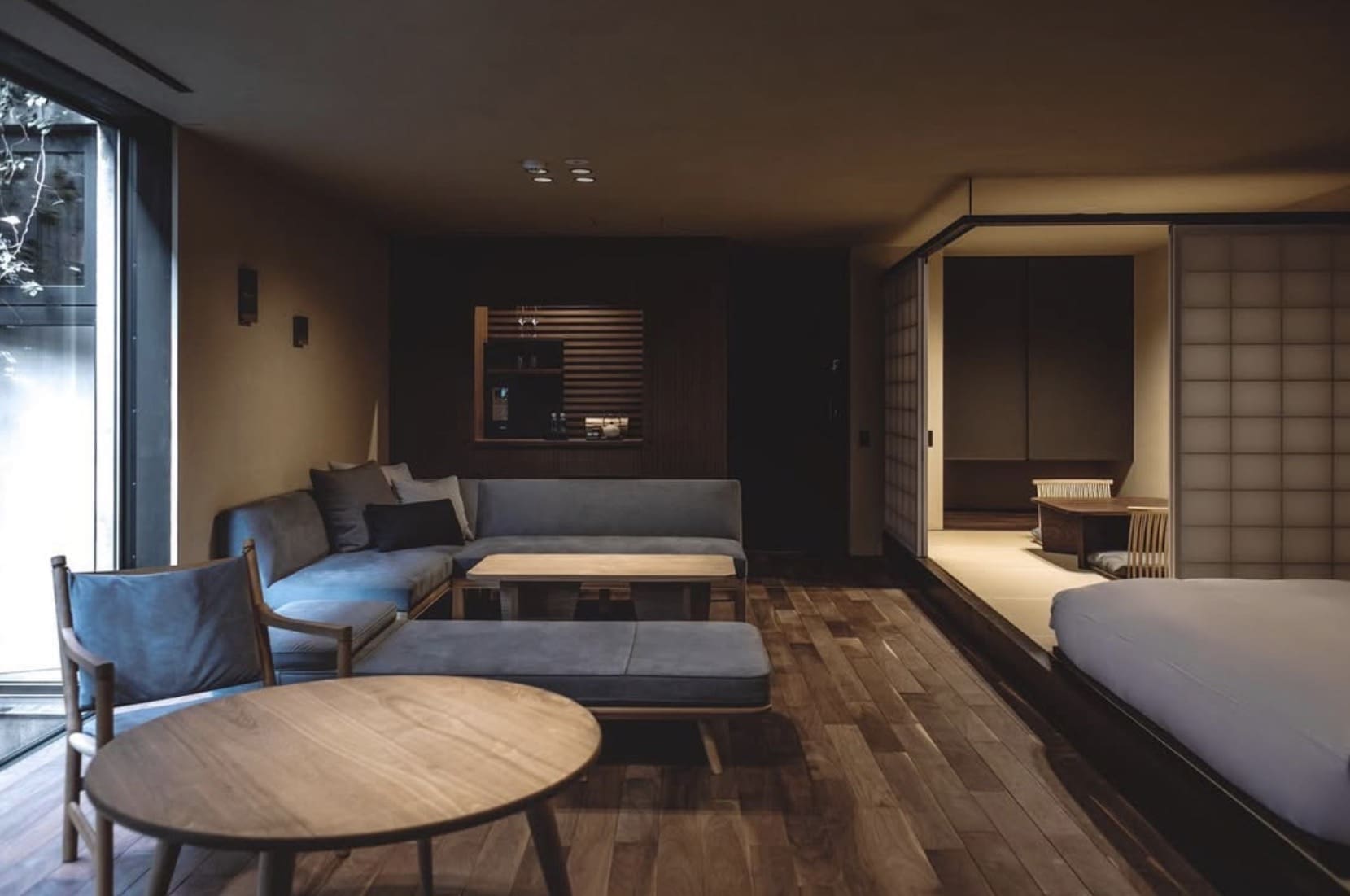
Image Credit | ALMANAK & Sowaka
address |