Share This Article

Tucked into a quiet backstreet on the Akihabara side of Chiyoda, Kufuku feels like stepping out of electric town and into a parallel world—one where time, fermentation, and French technique quietly reframe Japanese comfort food. Set inside a lovingly preserved kominka, this is destination dining for travellers who like their Tokyo with as much patina as polish.
AMBIENCE >
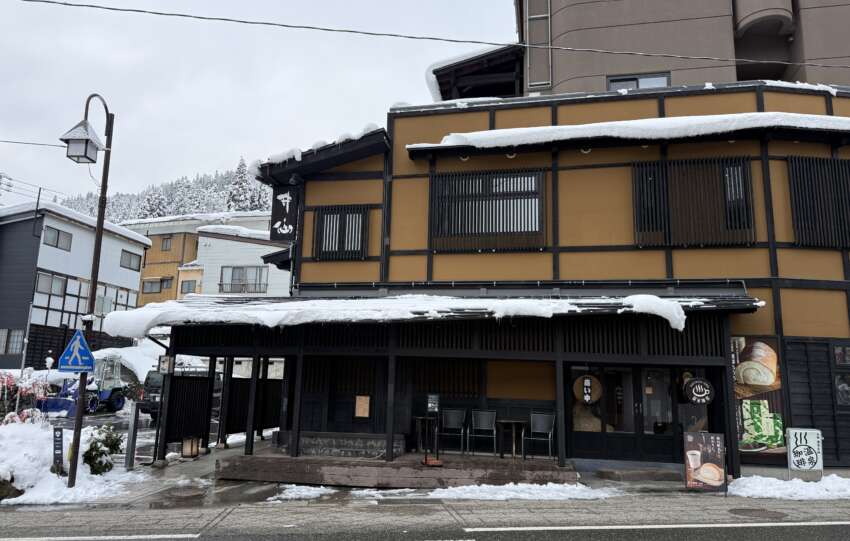
By day, the narrow lane and timber façade read almost residential; by night, soft lantern light and the warm glow from sash windows hint at something more intimate within. Inside, a 70–80-year-old wooden house unfolds into a series of low-ceilinged rooms and discreet nooks, all carpentered without nails and finished with beautifully worked ranma panels and shoji details. The mood is hushed and grown-up: a few tables, the murmur of conversation, and staff gliding between rooms make it feel more like a private home than a restaurant, with just enough Akihabara neon seeping in to remind you where you are.
EAT >
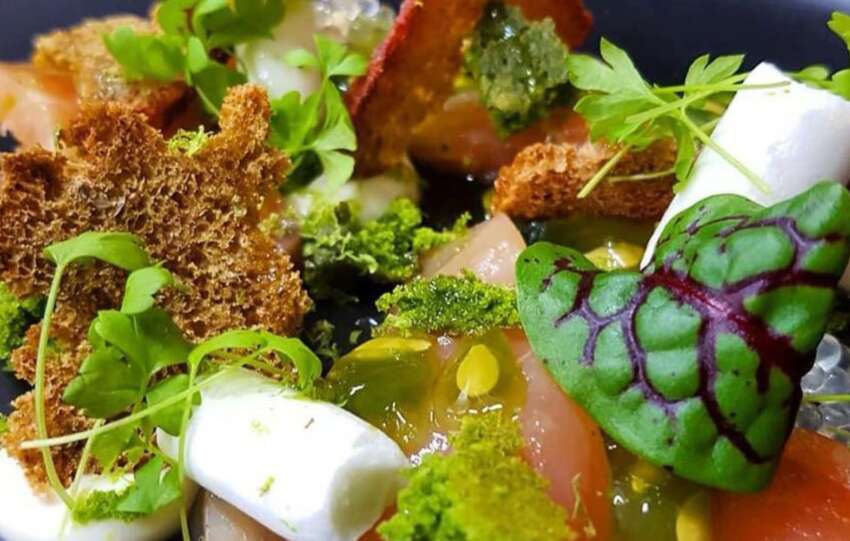
Kufuku’s cuisine is described as “innovative French,” but the deeper story is fermentation, ageing, and the quiet power of Japanese pantry staples. Multi-course set menus (which change around eight times a year) move through seasonal themes—recently “Bountiful Autumn”—weaving miso, koji, and long-aged condiments into classical French structures. Expect pristine seafood and Japanese vegetables given slow-time treatment: fish cured and gently smoked before a precise roast; roots and mountain greens pickled or fermented to dial up umami; and sauces that feel lighter and more lifted than their butter-heavy cousins in Europe.
We arrived in time for a special ‘Christmas’ themed menu, which while not being food I would traditionally recognise as Christmas was excellent.
Starting with ‘Monka’ a delicate biscuit sandwich of caviar, scallop and lily root, elegant flavours wonderful textures. A large slice of Foie Gras was served with fig jelly and aged mirin. The Guinea Fowl with mushrooms was actually an exceptional risotto served with fresh black truffle. Monkfish was served with more traditional Japanese vegetables Turnip, Kinbi Carrot and the northern ruby potato. The final main (quite full by this stage) was the Yamagata A5 slow cooked Wagyu served with Cauliflower Romanesco. The meat was so soft you could cut it with a spoon and so delicious that Angie was claiming it could be the best meat she has ever tasted.
General pattern for dessert is to deliverablely bring something quietly subversive—think bitter mountain vegetables reimagined as a finale, or a fermented component where you expect sugar—yet the arc of the meal remains comforting rather than confrontational. Portions land in that sweet spot between indulgent and restrained, and the overall structure of the menu (from shorter courses at lunch to more expansive dinner options) makes it easy to calibrate how deep into the experience you want to go.
Our deserts were a black tea icecream with aged kumquat, followed by a gateau chocolat with chinese five spice and salted caramel nuts. It was a little ‘expressive’ but all very good.
Plating is elegant but not fussy, often using earthy ceramics that nod to the building’s age and the kitchen’s obsession with seasonality.
DRINK >
A compact but ambitious cellar leans into the bridge between France and Japan: Burgundy and Rhône sit alongside a thoughtful spread of Japanese sake chosen for their affinity with the kitchen’s fermented, savoury-forward dishes. Matching options are available, with pairings that might jump from textured white to junmai sake to a more serious red, underscoring the restaurant’s “time and terroir” narrative as you move through the menu. By-the-glass choices are well curated rather than encyclopaedic, and there is enough depth on the bottle list to reward anyone wanting to make the evening about wine as much as food.
CONCLUSION >
Kufuku is a quietly compelling argument for Tokyo as one of the world’s great capitals of French-inflected, terroir-obsessed cooking. For travellers, it is a rare chance to experience serious seasonal cuisine in an old Japanese house minutes from the pop-cultural chaos of Akihabara; for locals, it is the sort of address you keep for anniversaries, celebrations, and long, slow dinners where the outside world can wait. Service is polished yet relaxed, English is handled with ease, and the balance of craft, narrative, and hospitality makes Kufuku an easy recommendation for anyone building a Tokyo itinerary around places with a real sense of place.
Click on images below to launch the lightbox
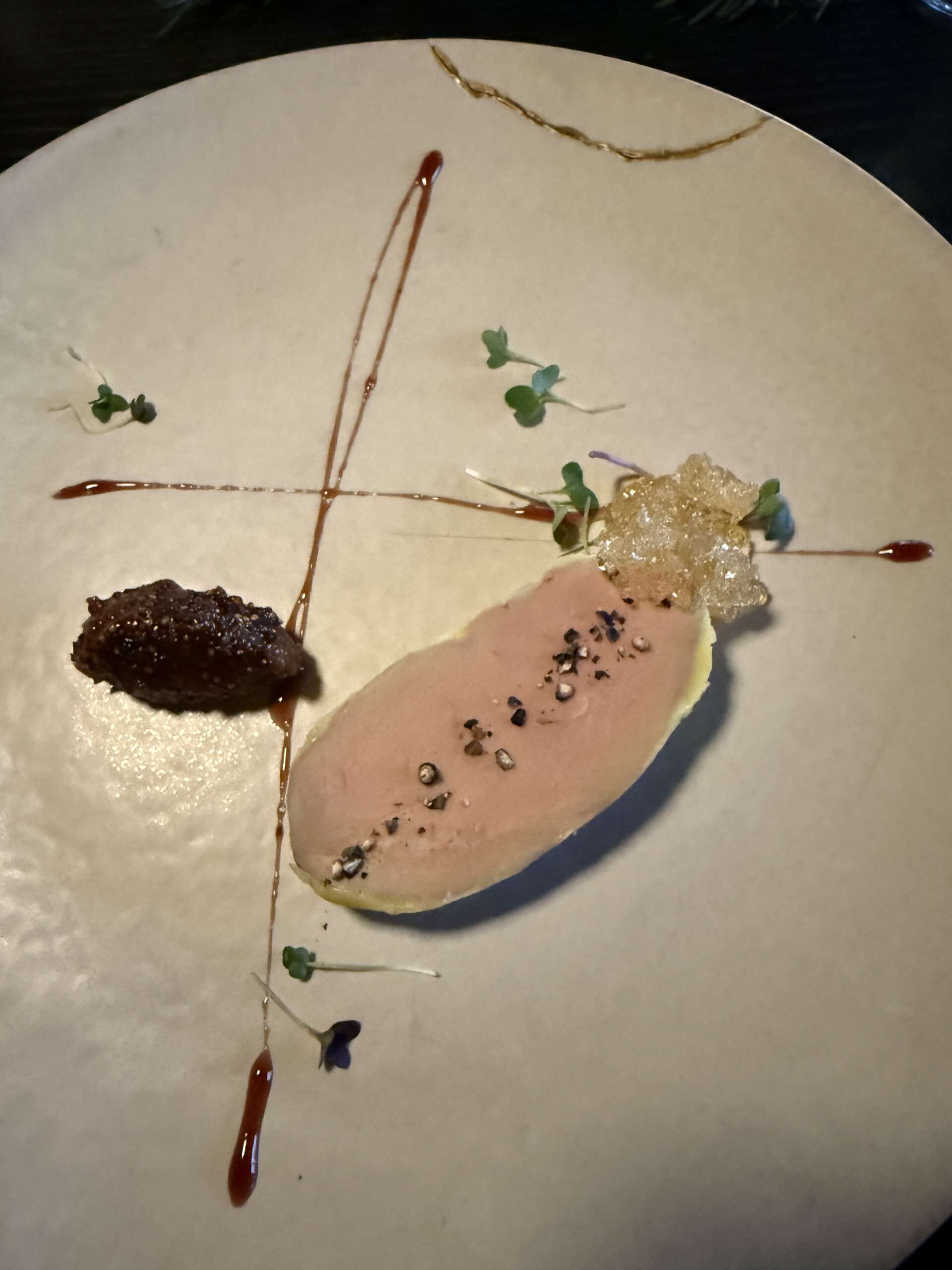
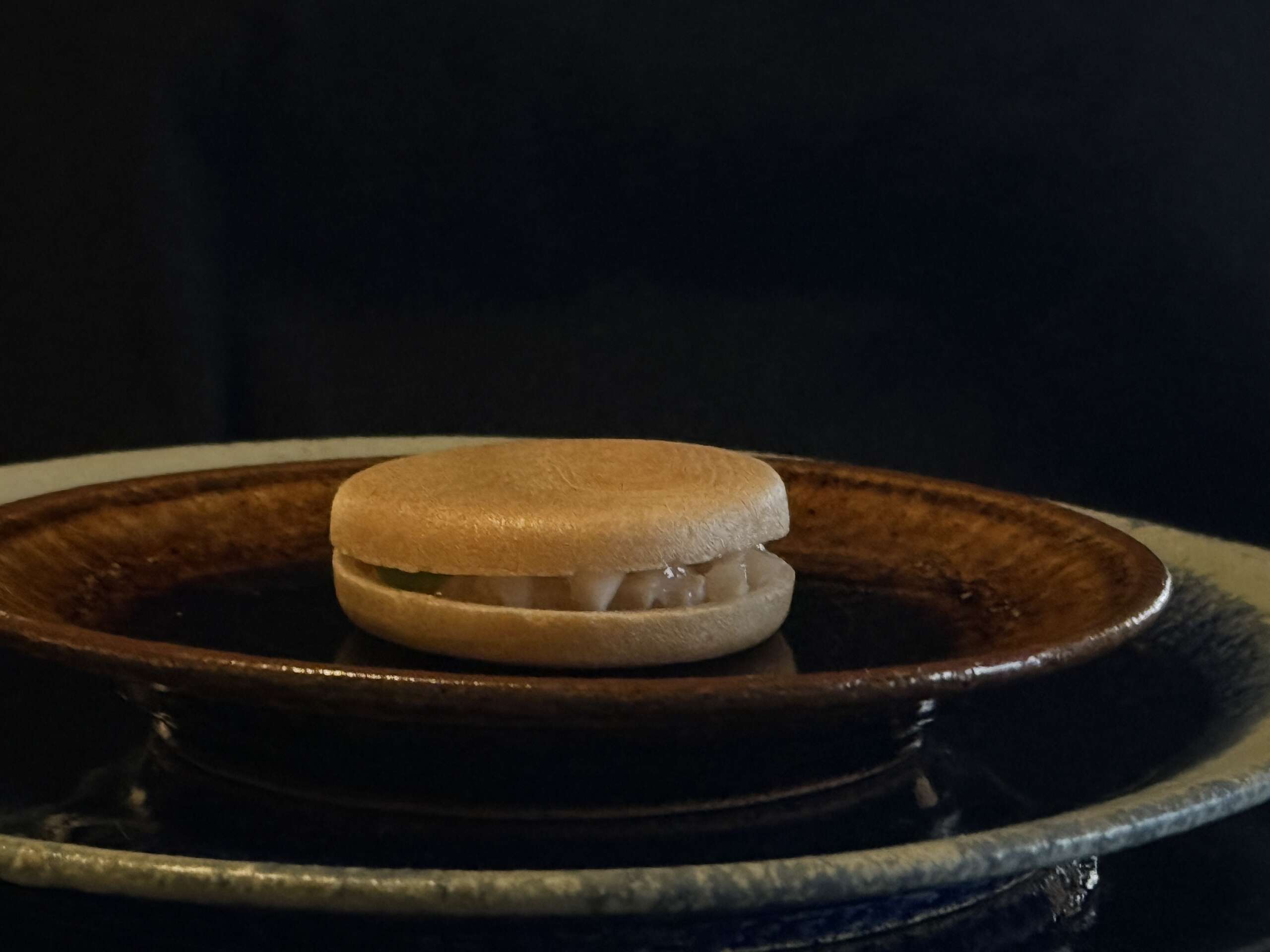
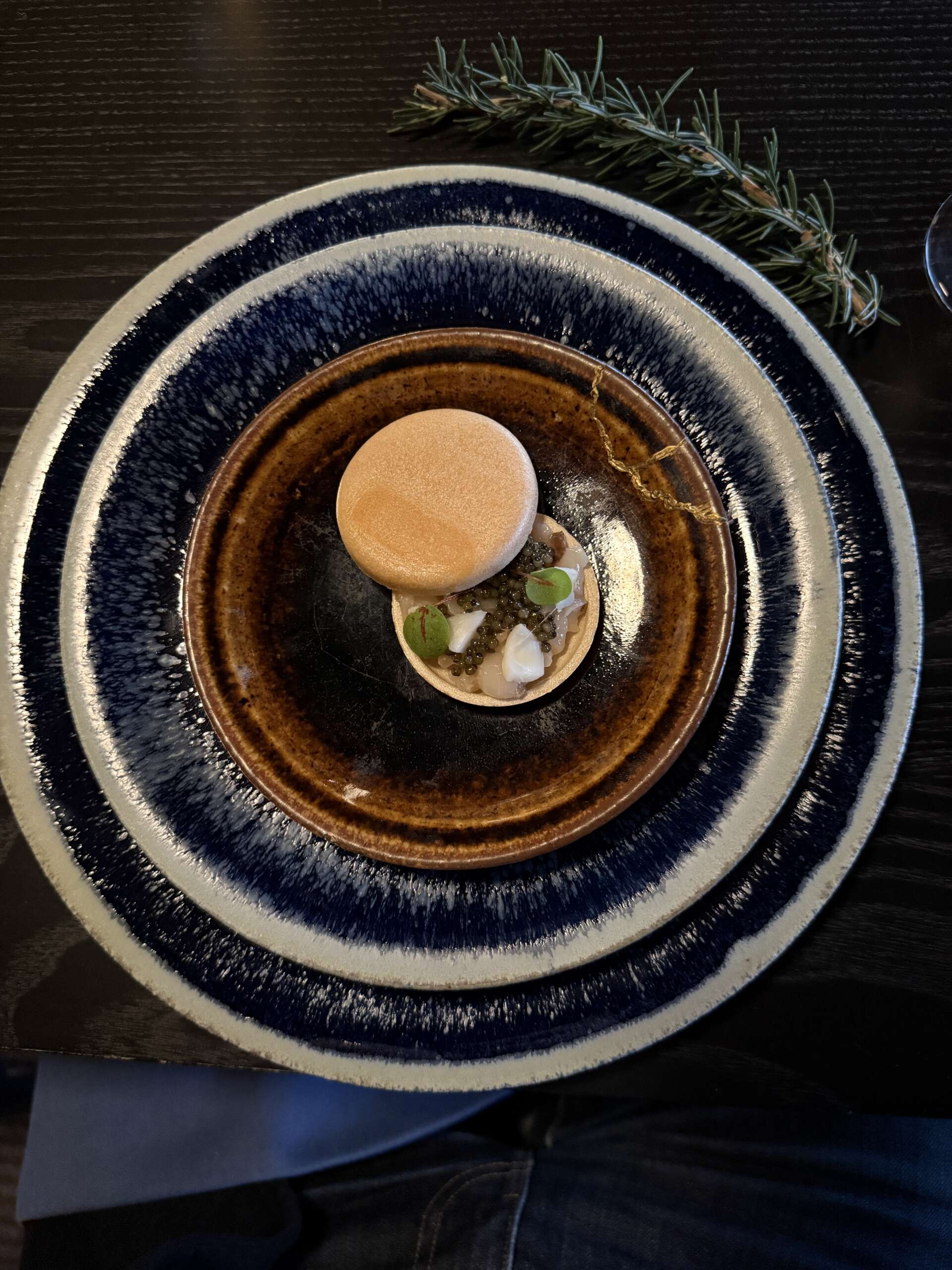
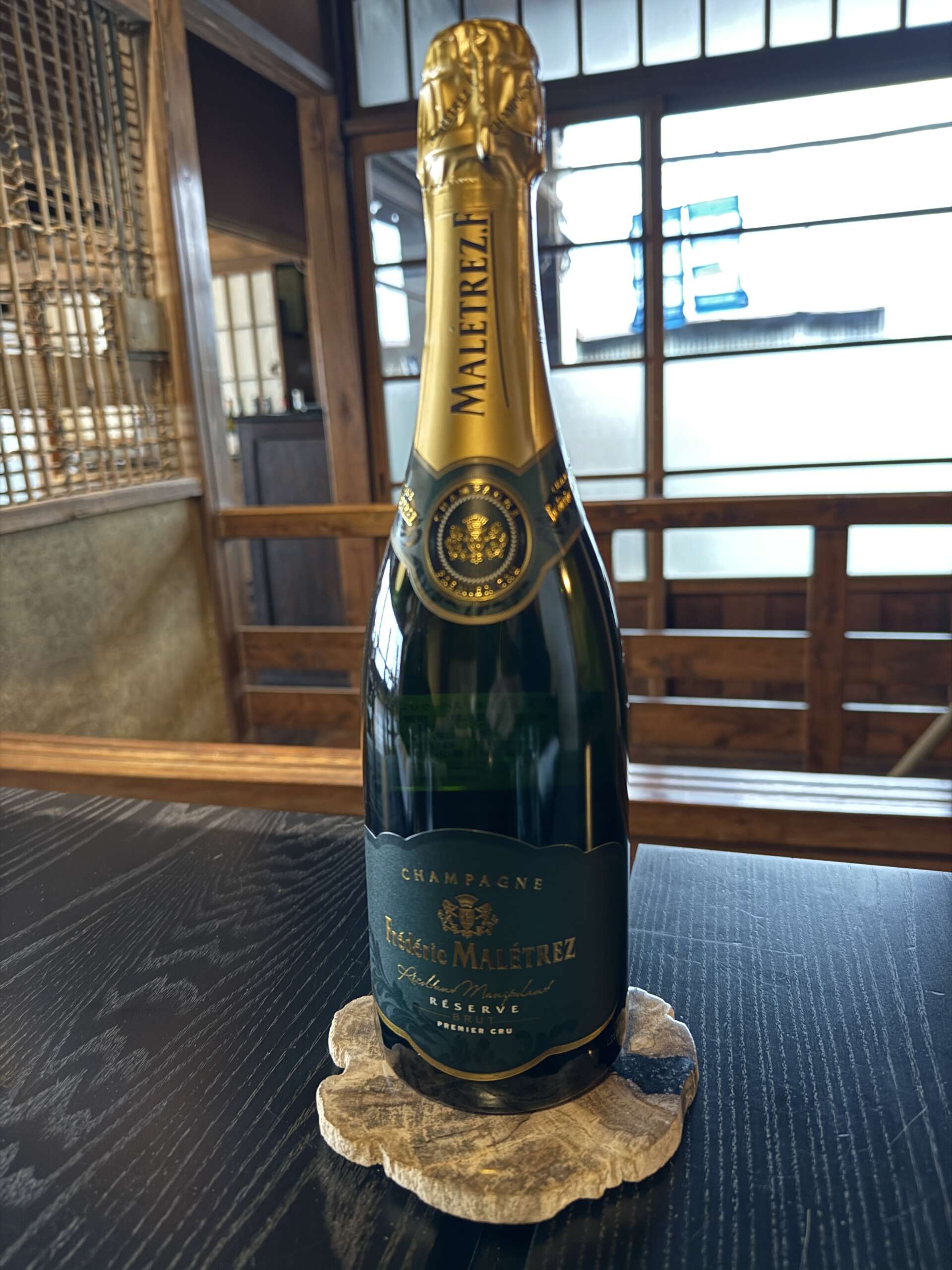
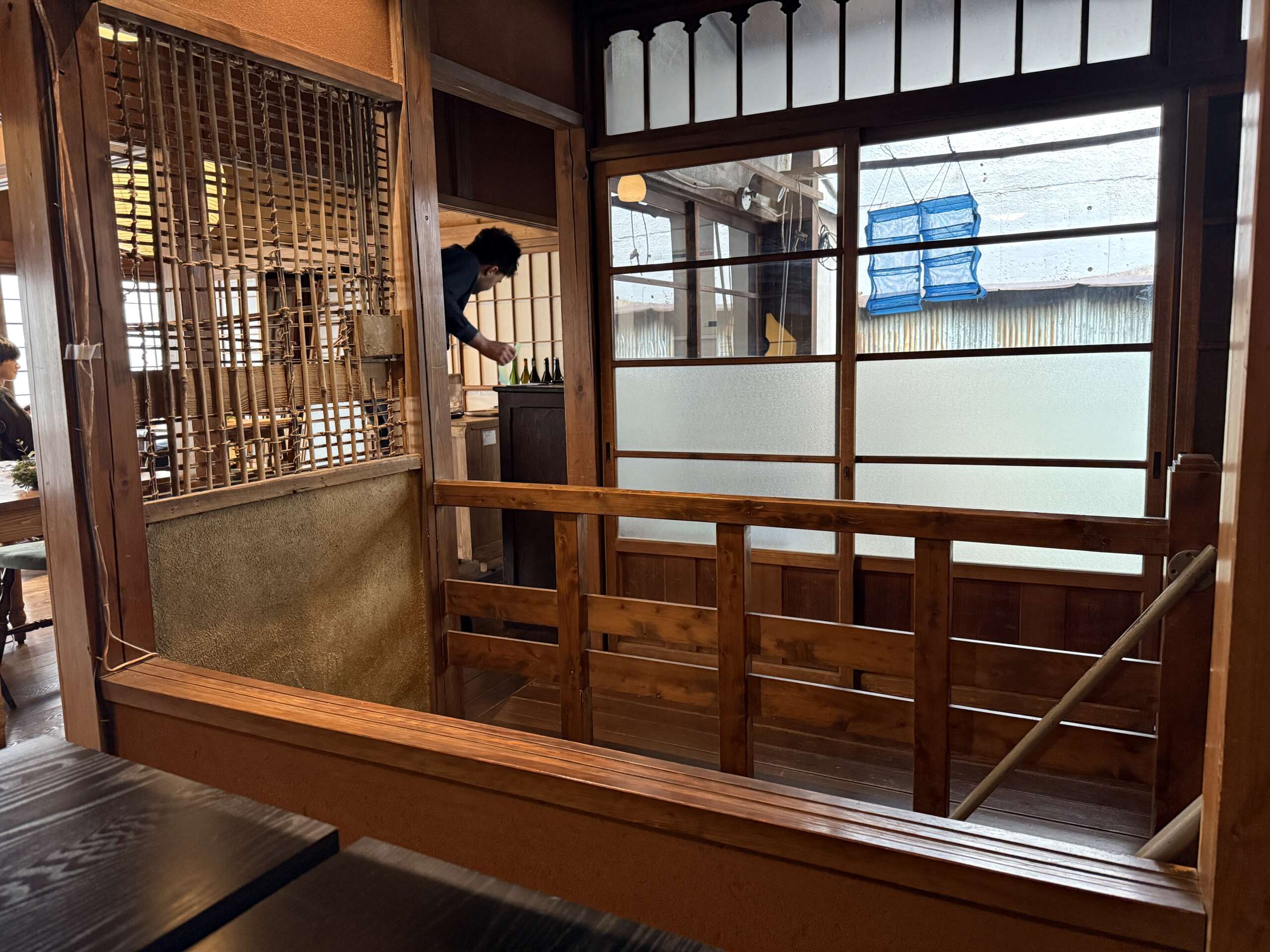
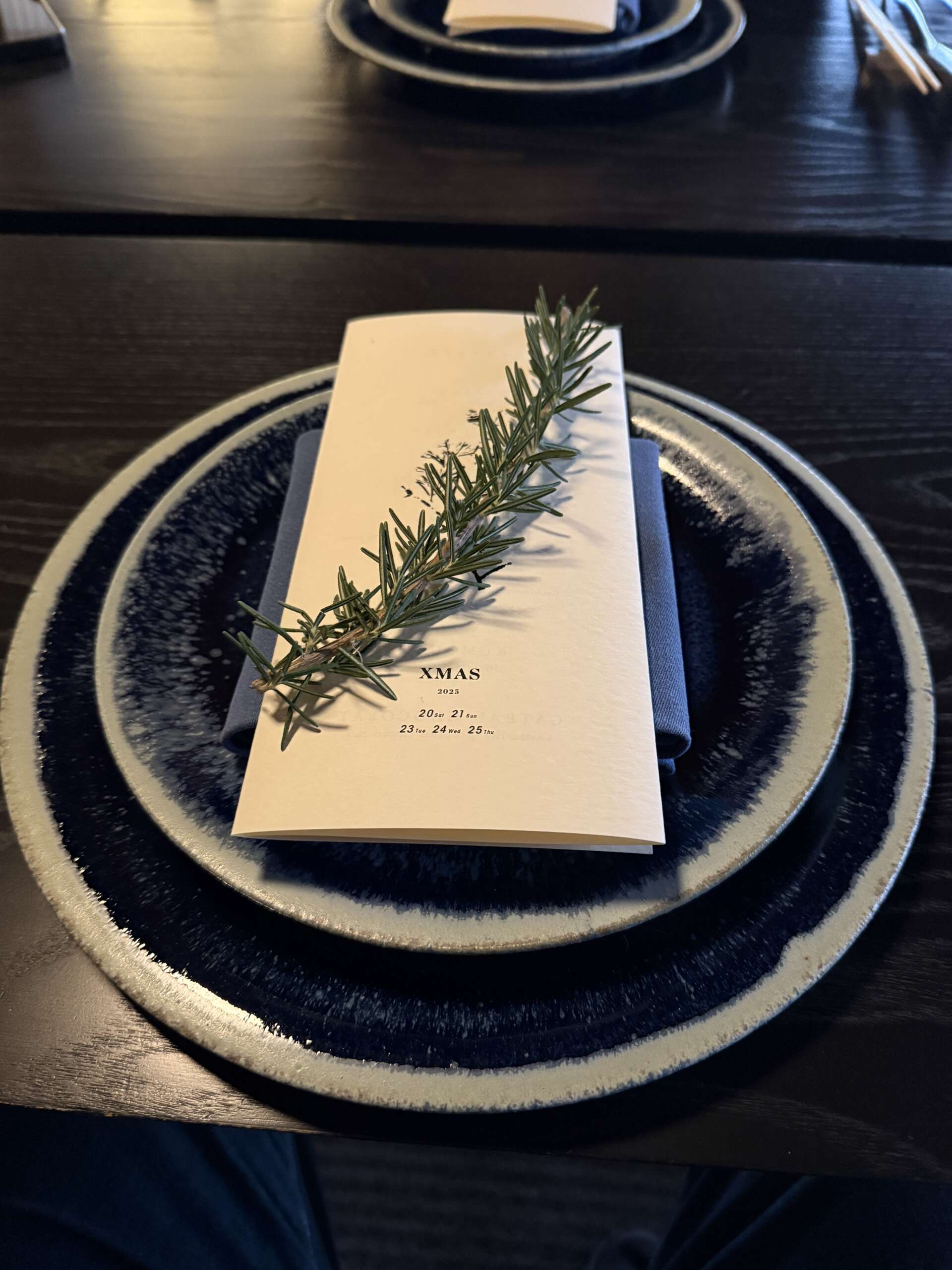
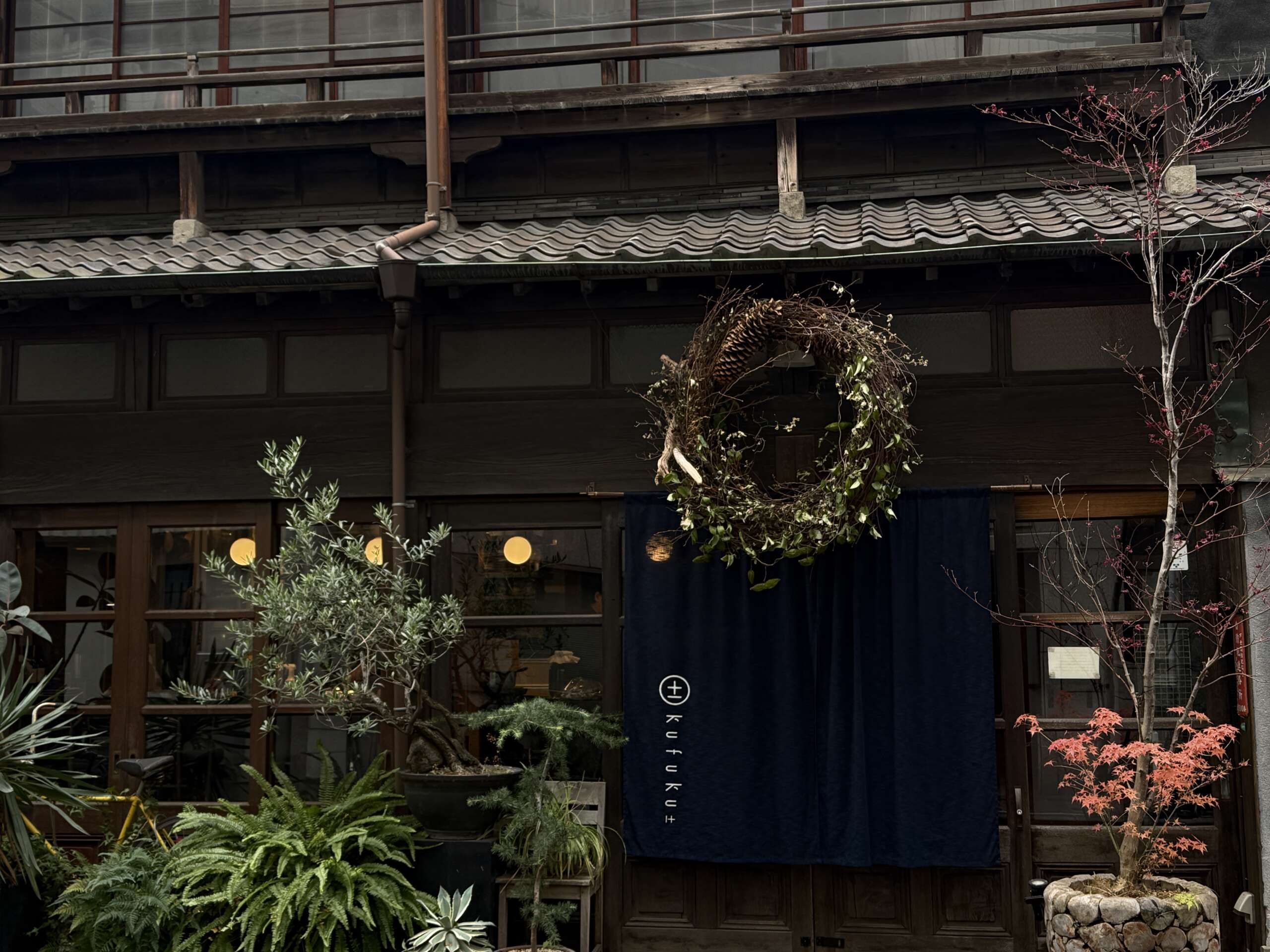
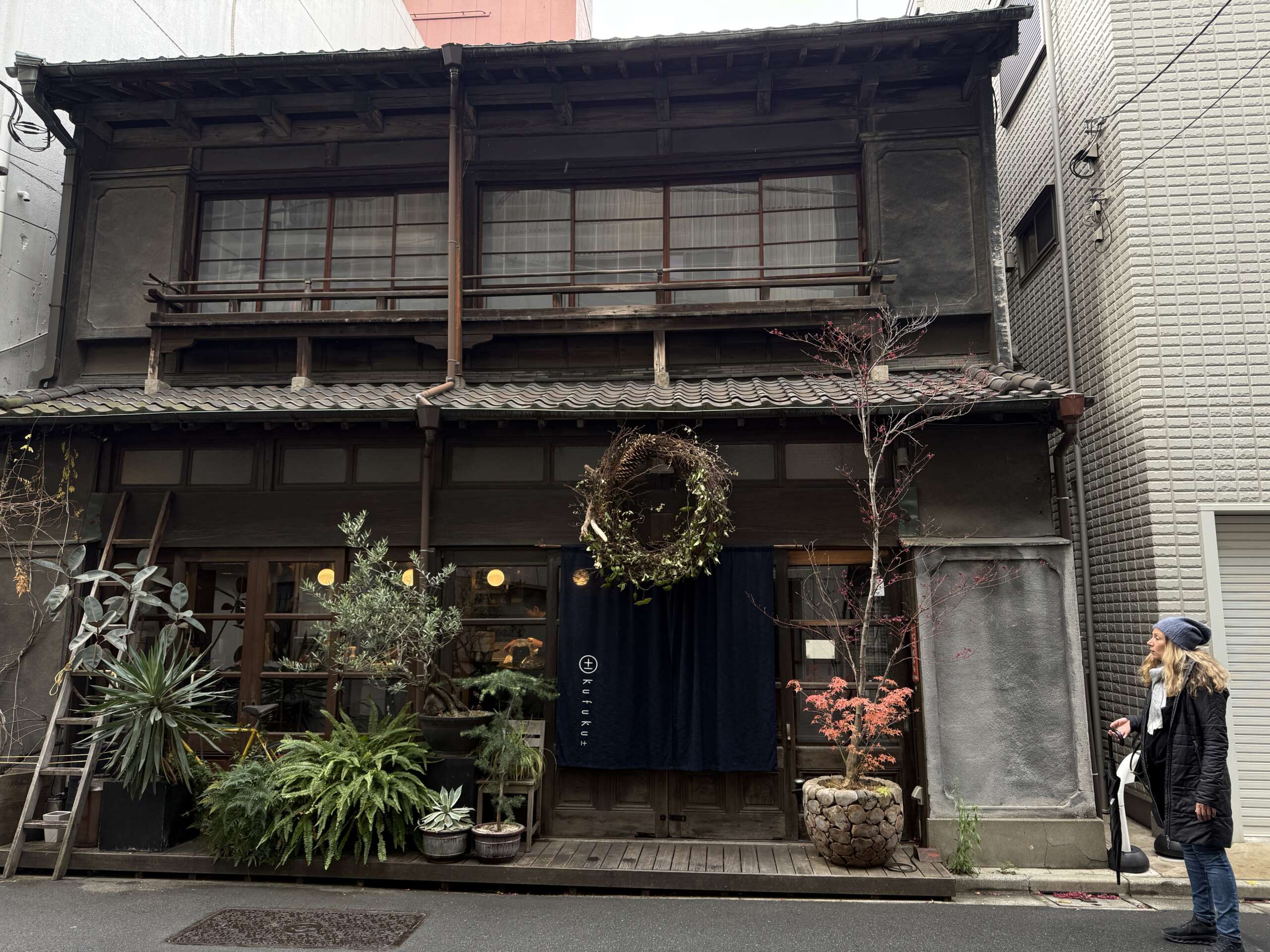
Image Credit | ALMANAK & KUFUKU±
address |
4 Chome -11-8 Sotokanda,
Chiyoda City,
Tokyo 101-0021, Japan.
phone | +81 3-5244-4329
instagram | @kufuku_restaurant
web | chapple.co.jp/kufuku/